Galleries
'Purple Hearts' brings home war's
human toll
November 11, 2005
BY MISHA DAVENPORT Museum Pieces
Of all the possible emotions one
might feel while looking at Nina Berman's photographs of veterans of the war in
Iraq, apathy is not one of them. Sadness, yes. Anger, definitely. Shame, you
bet. But apathy? No way.
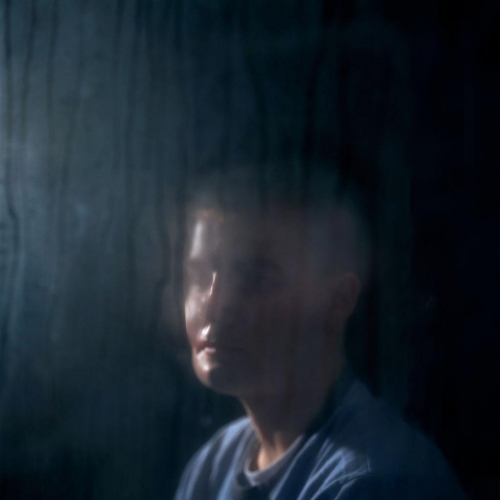
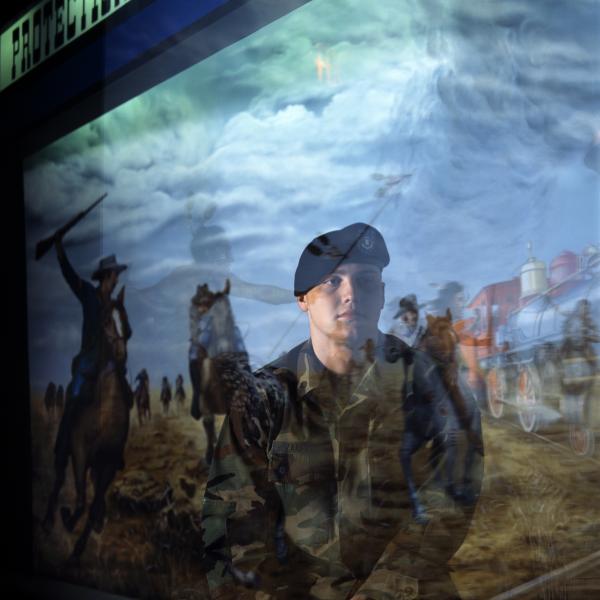
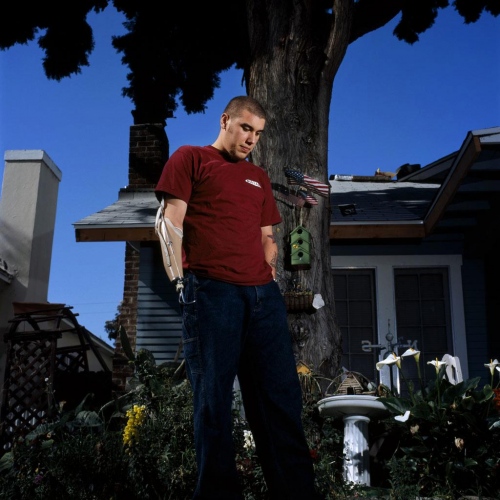
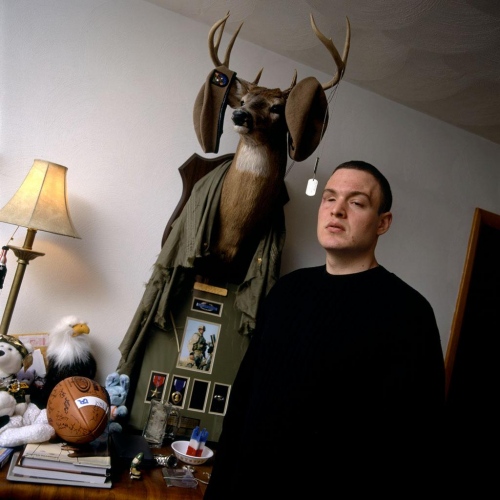
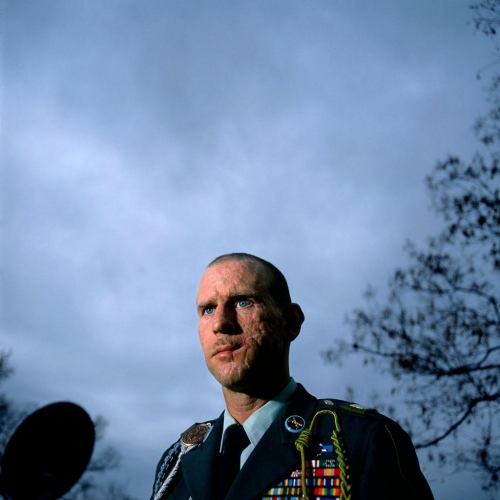
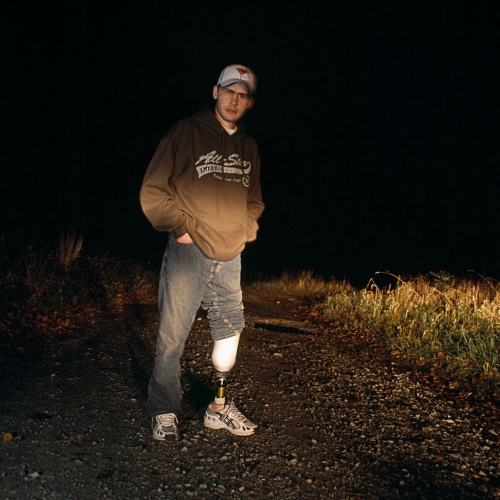
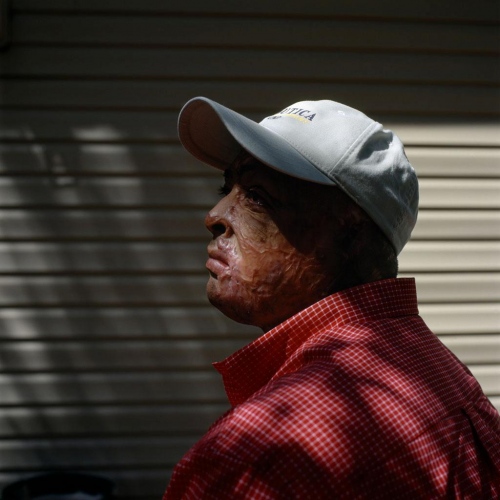
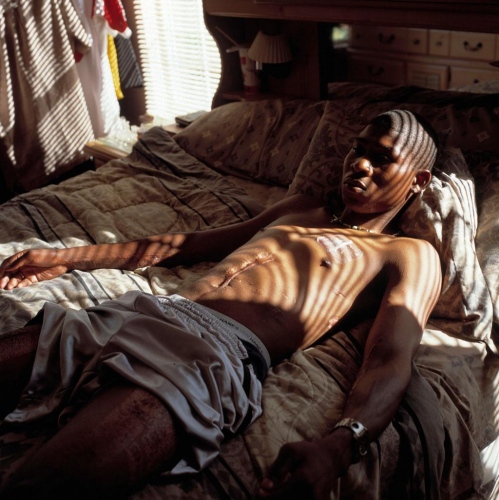
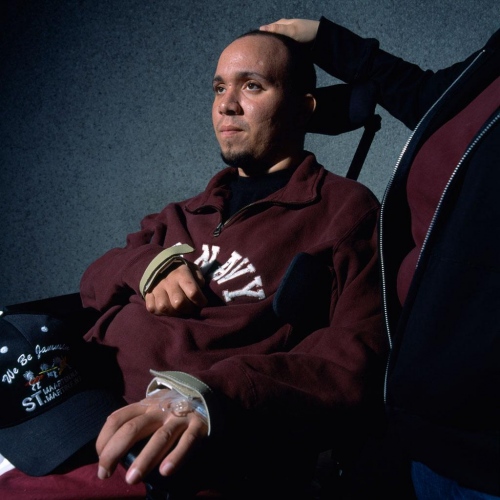
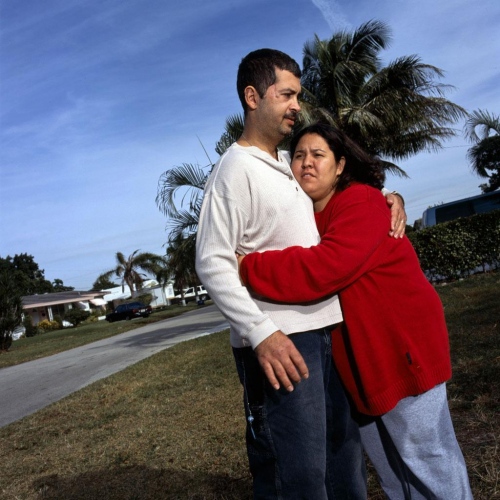
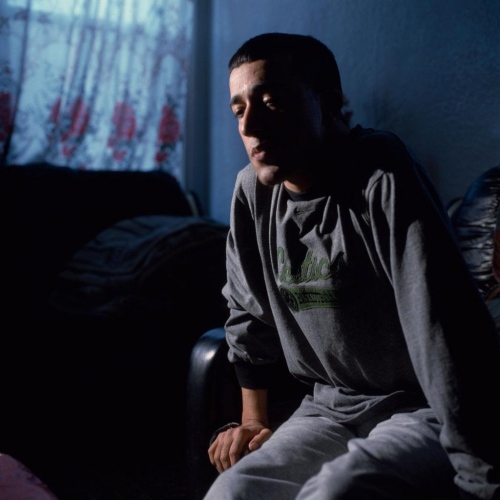
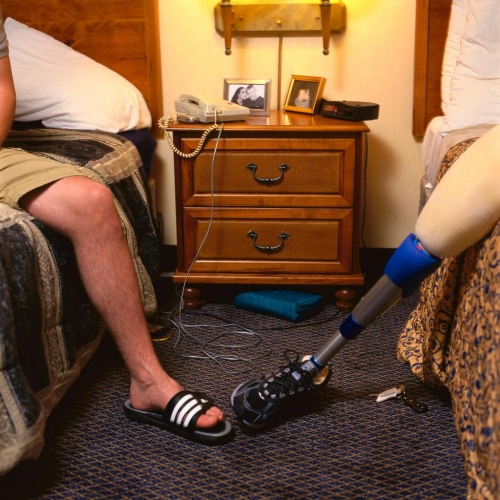
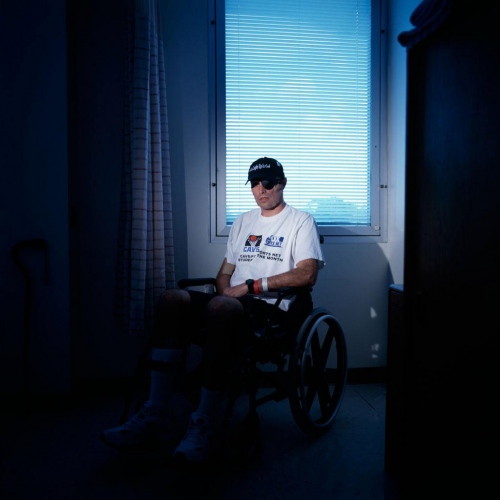
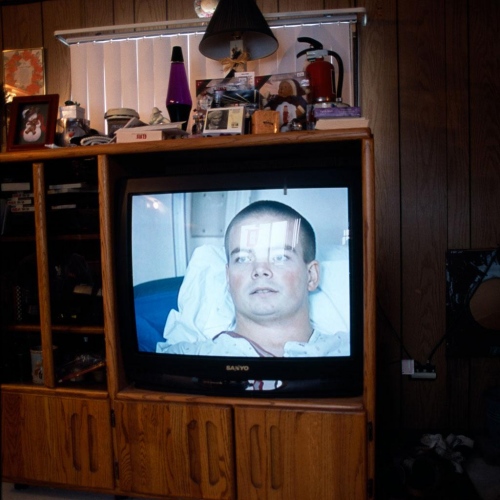
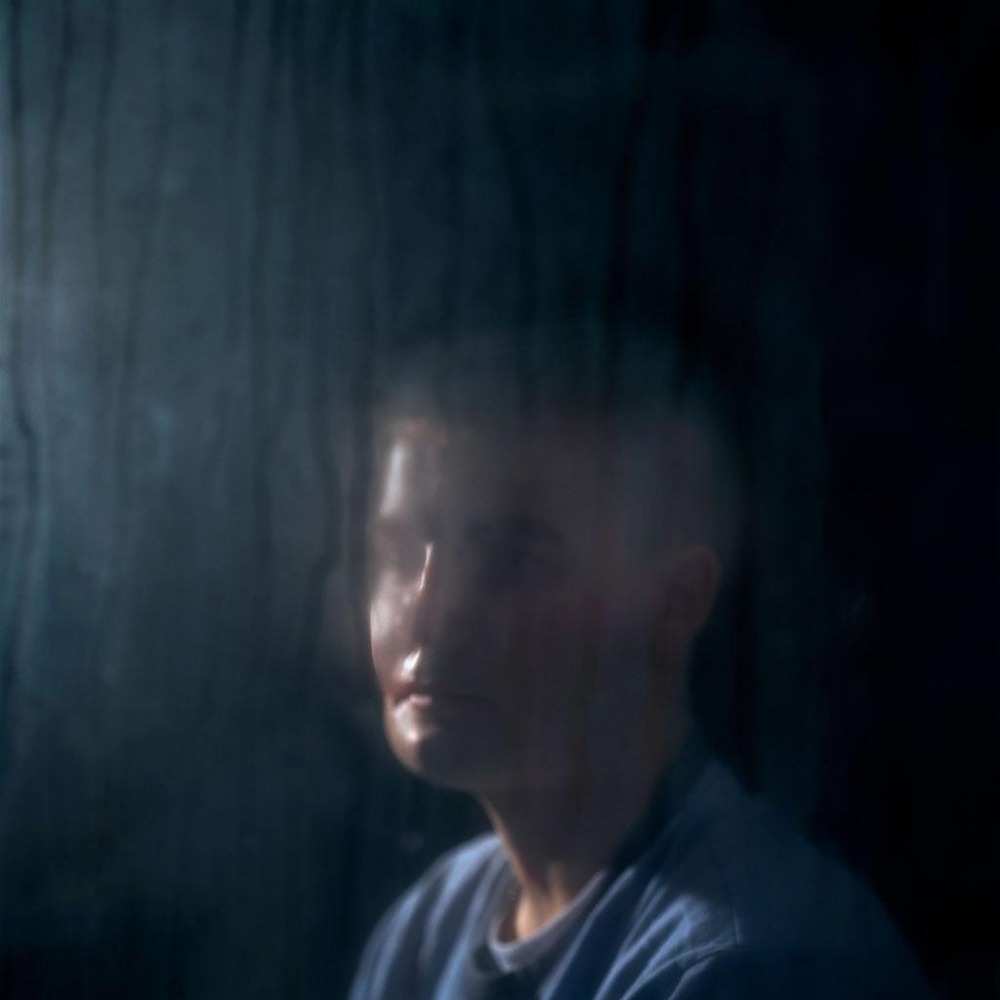
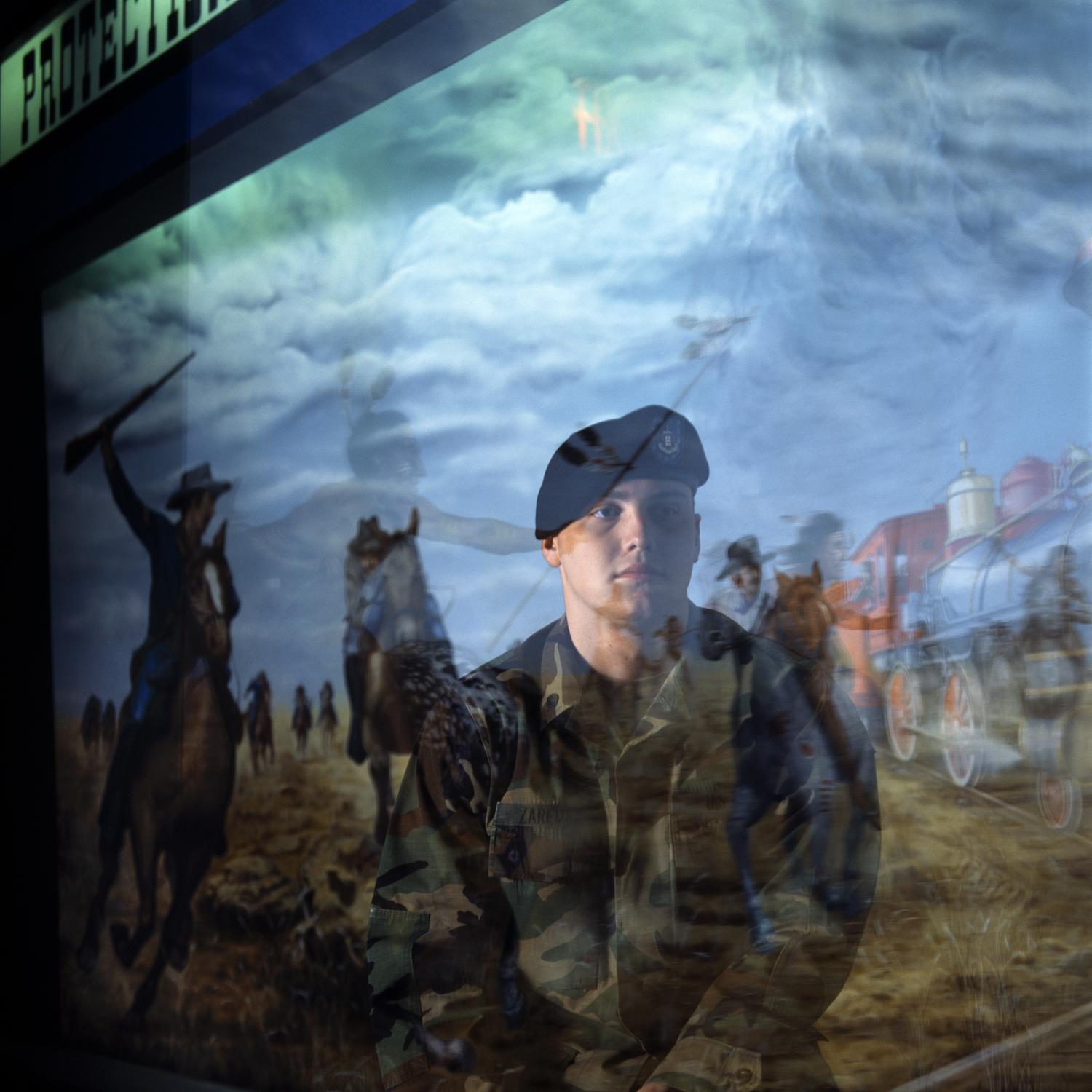
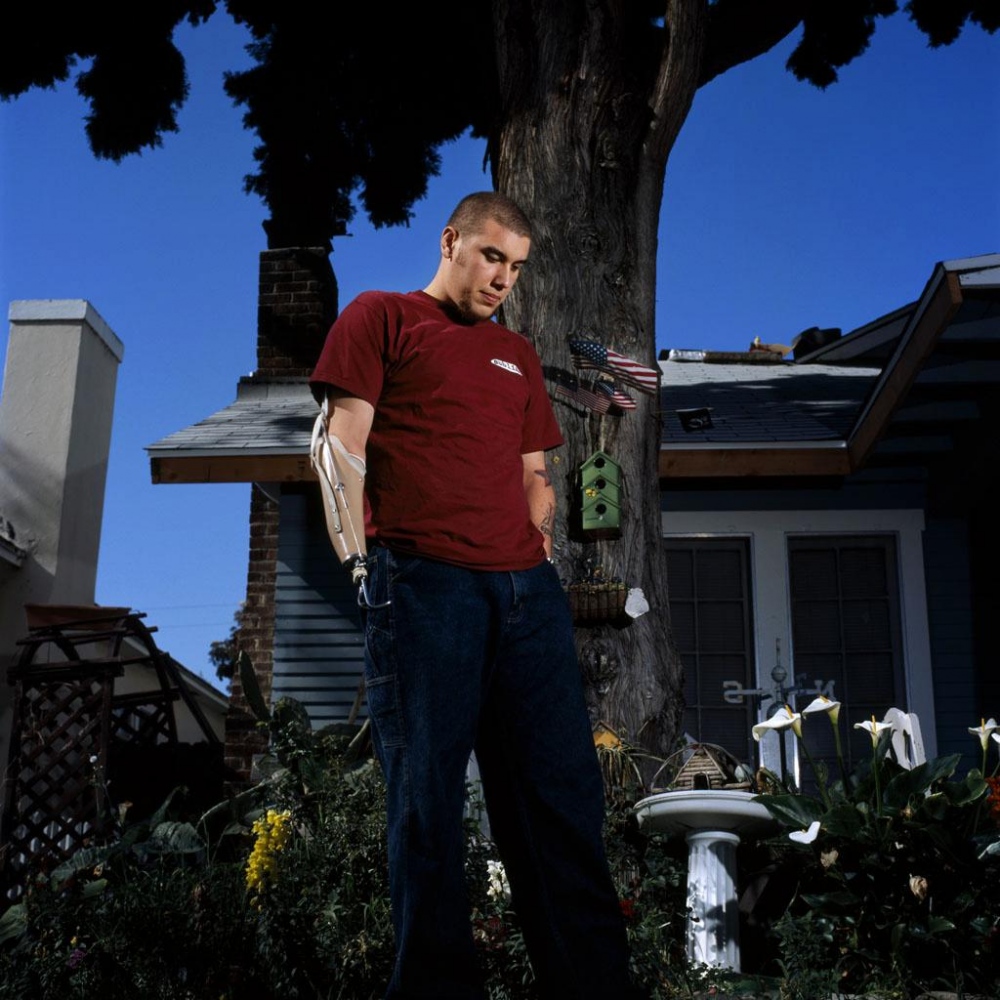
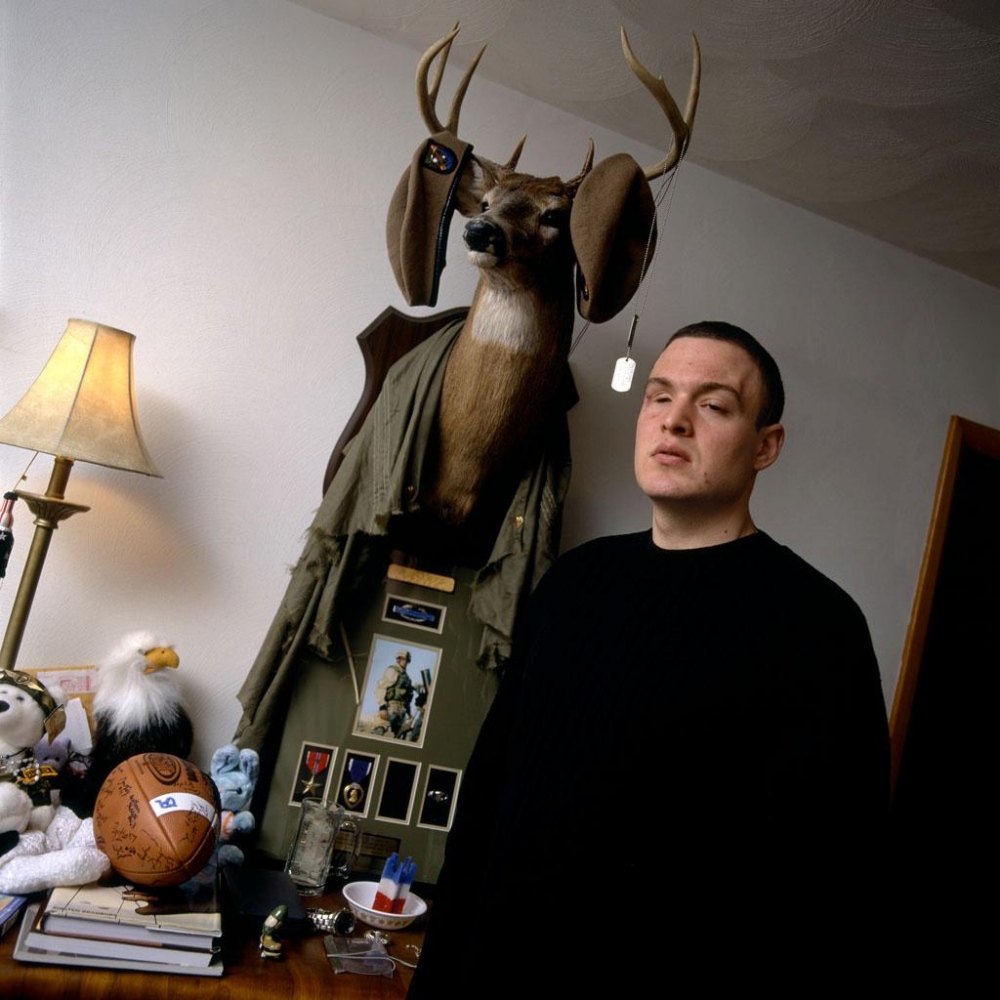
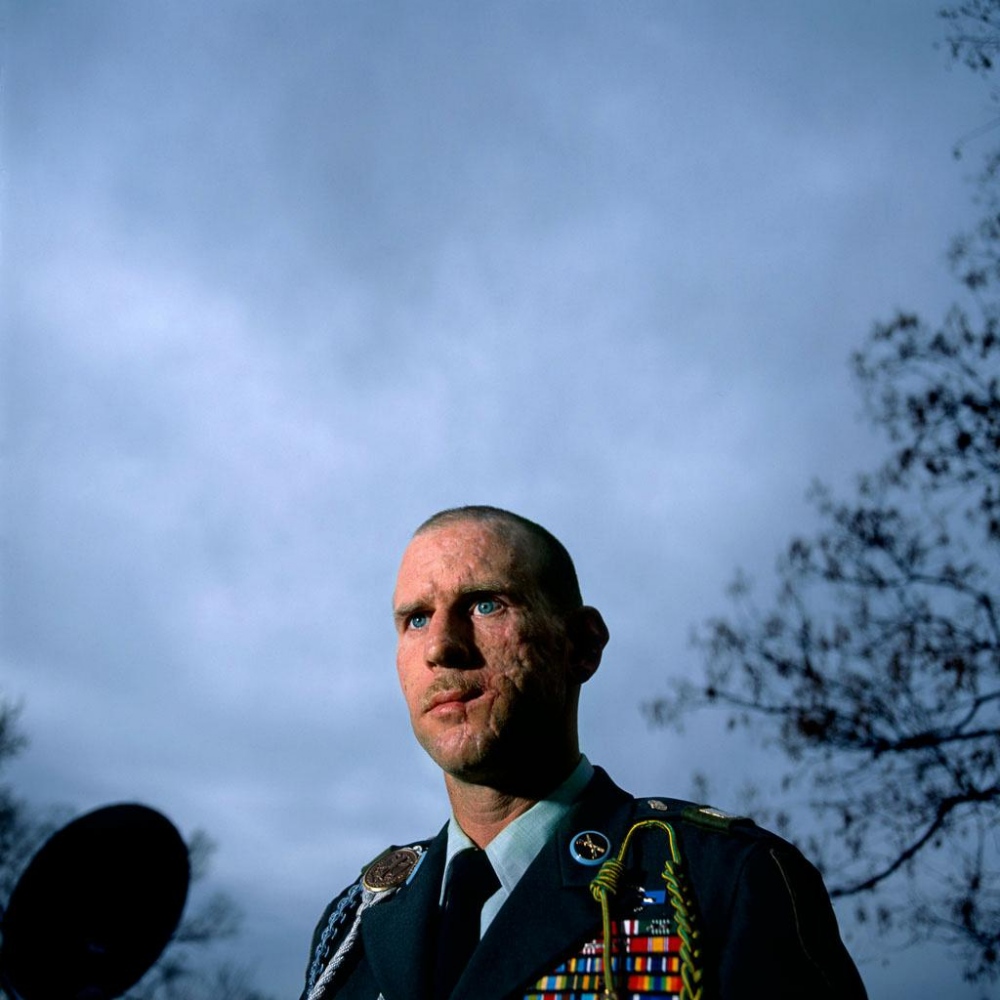
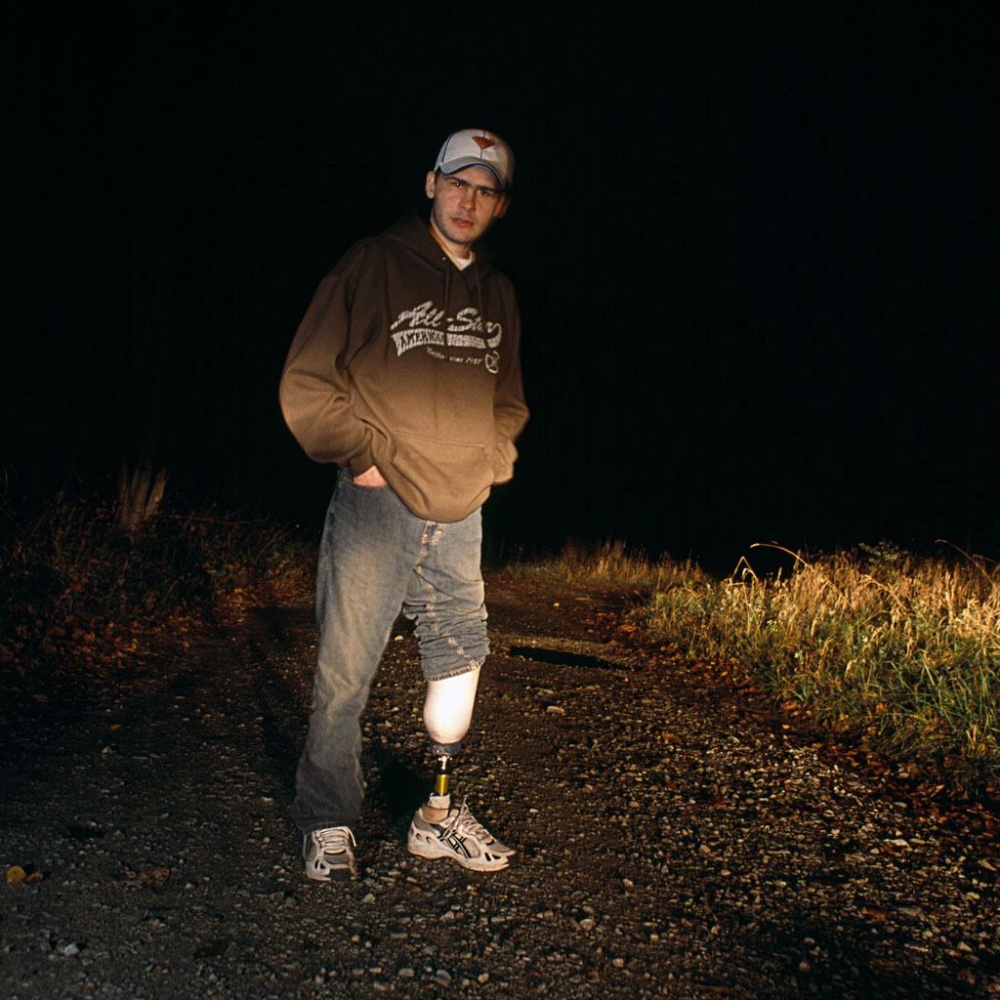
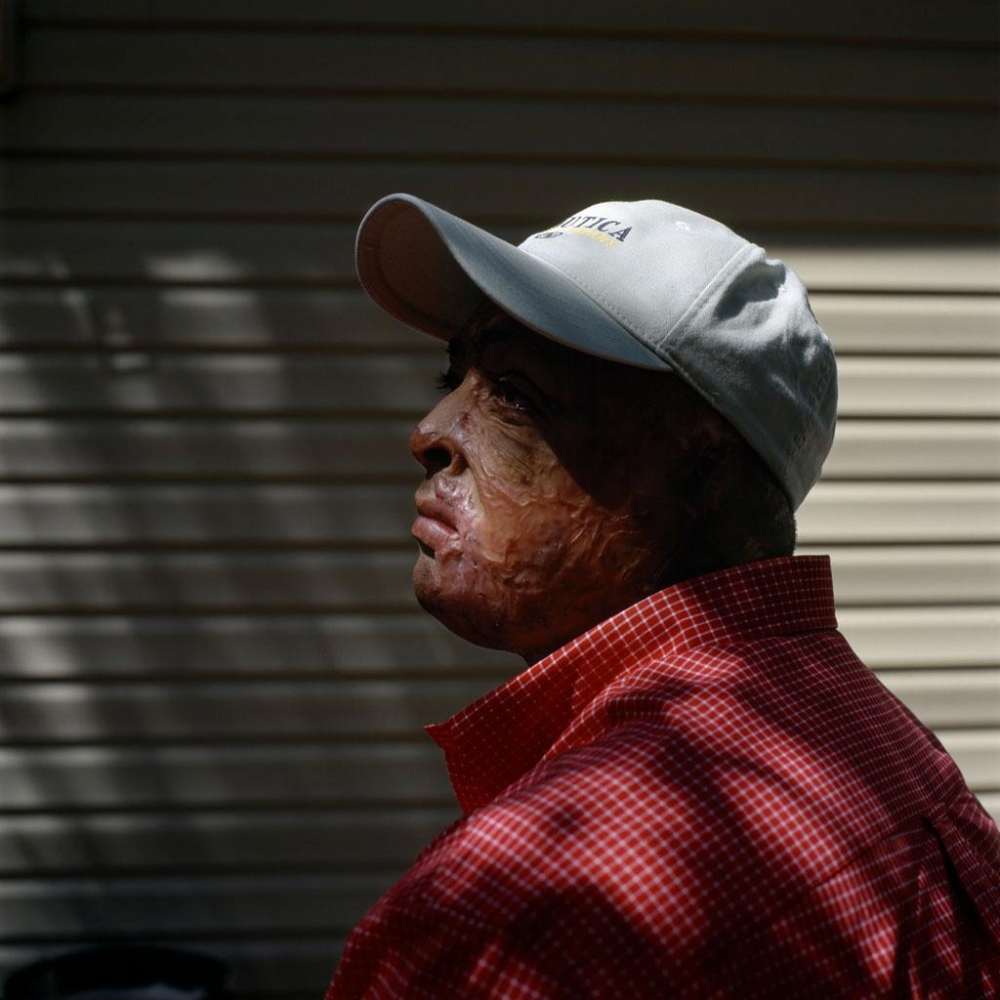
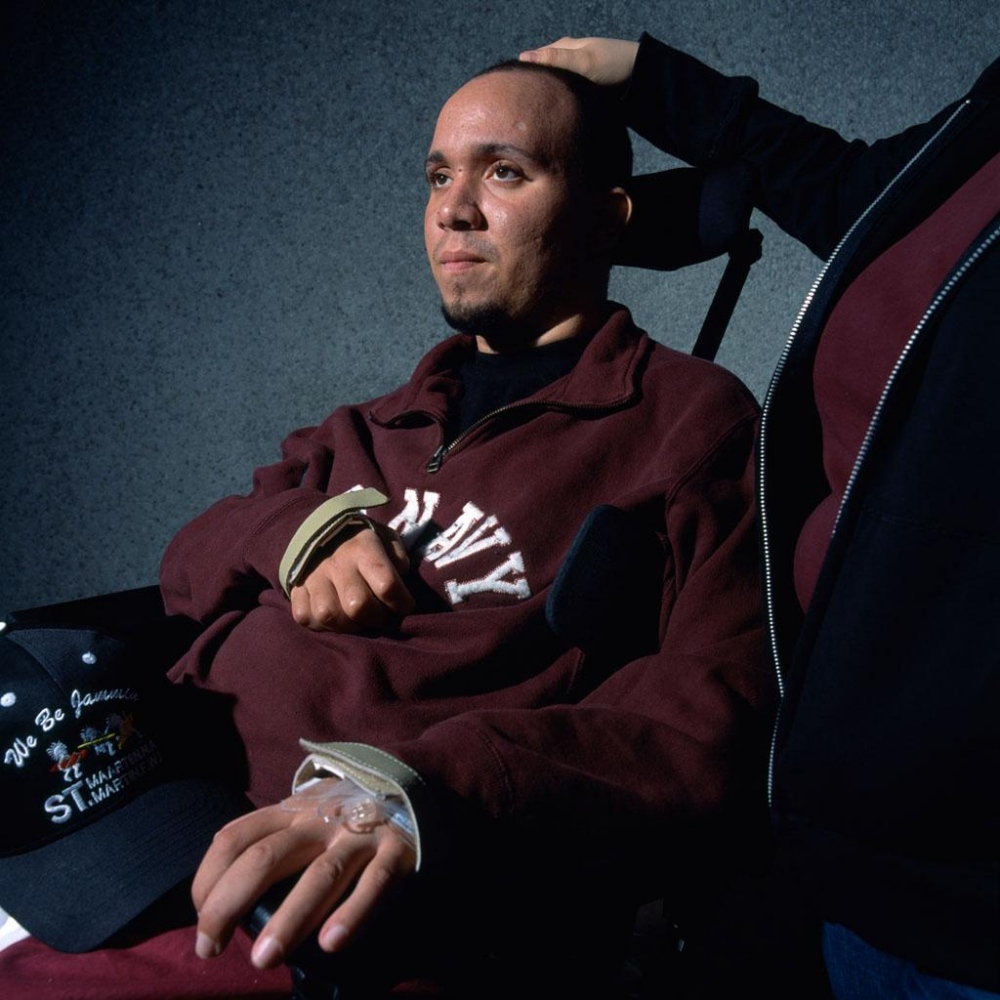
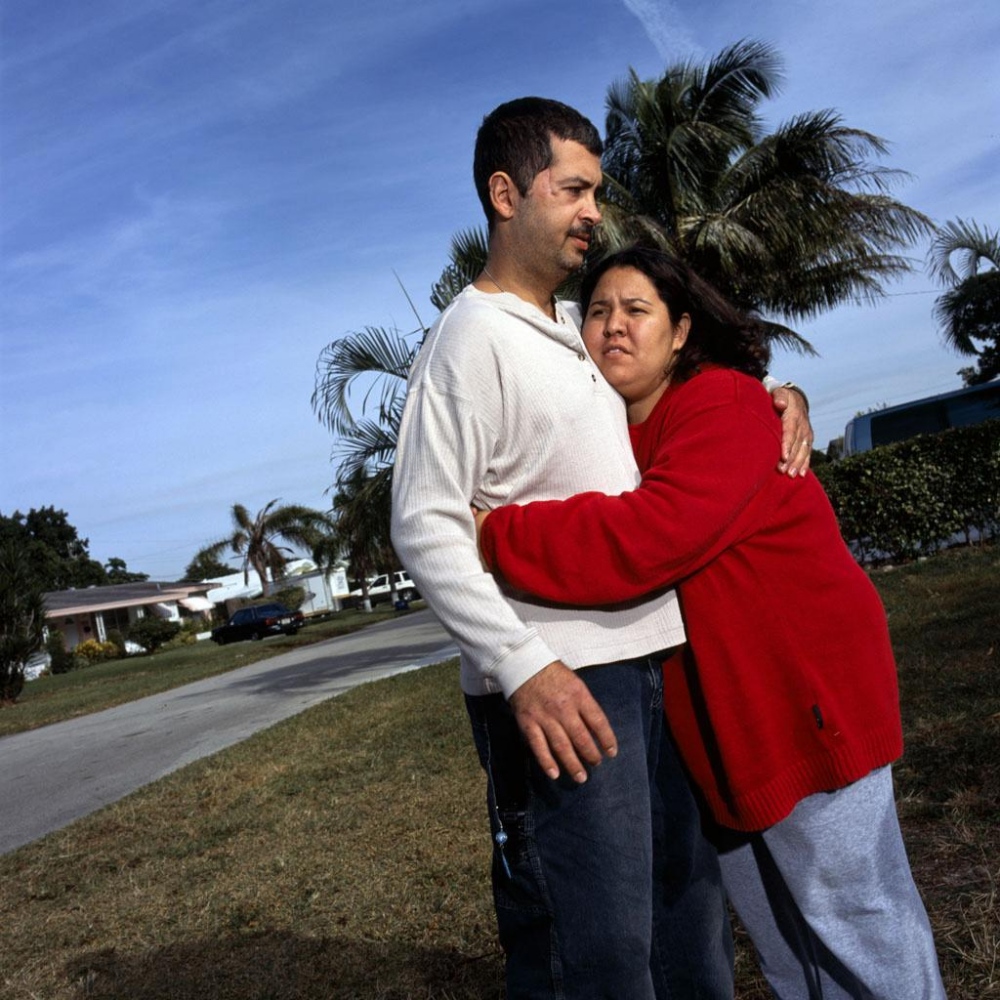
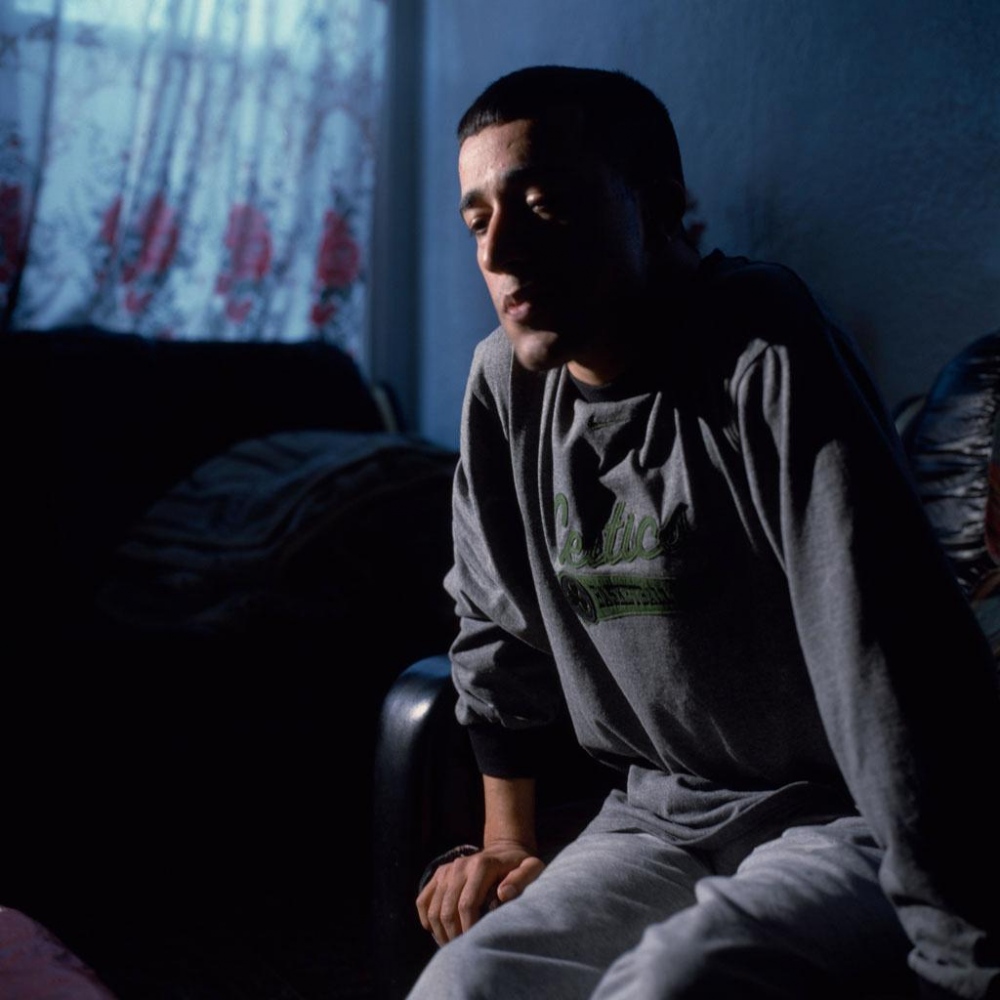
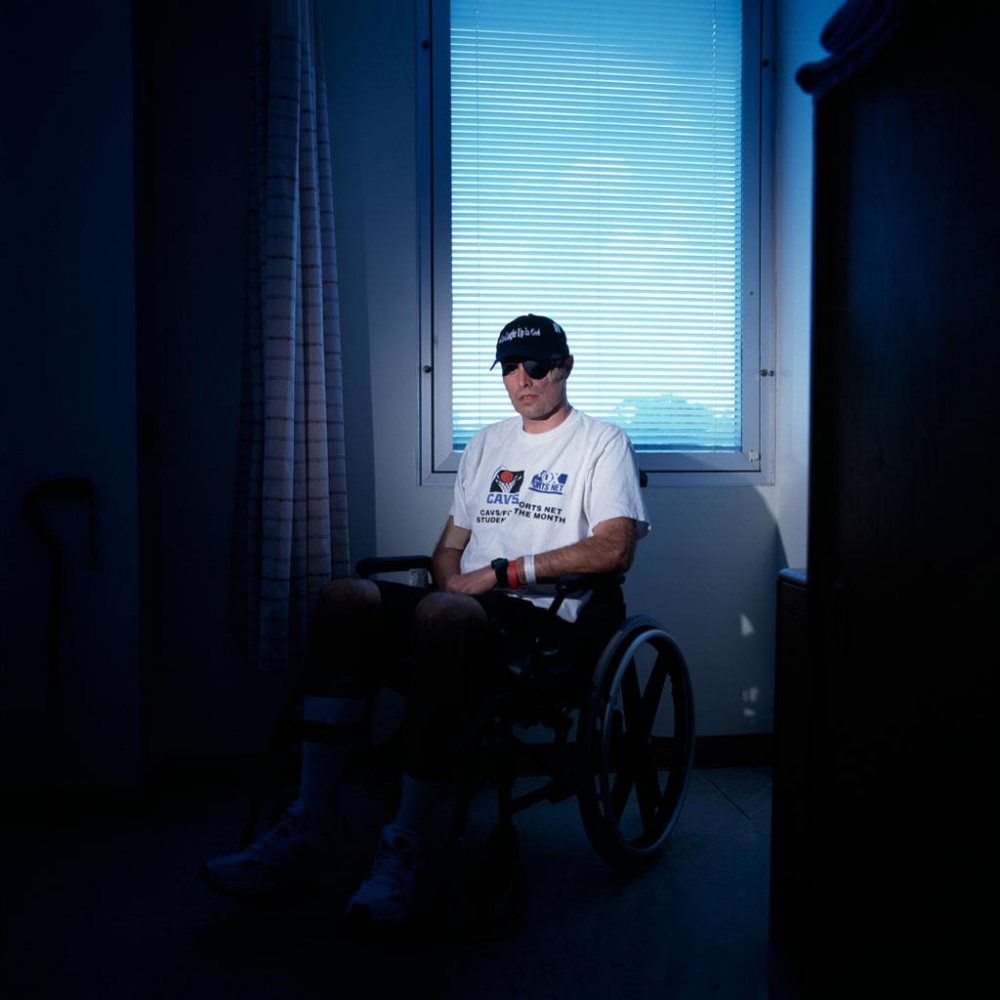
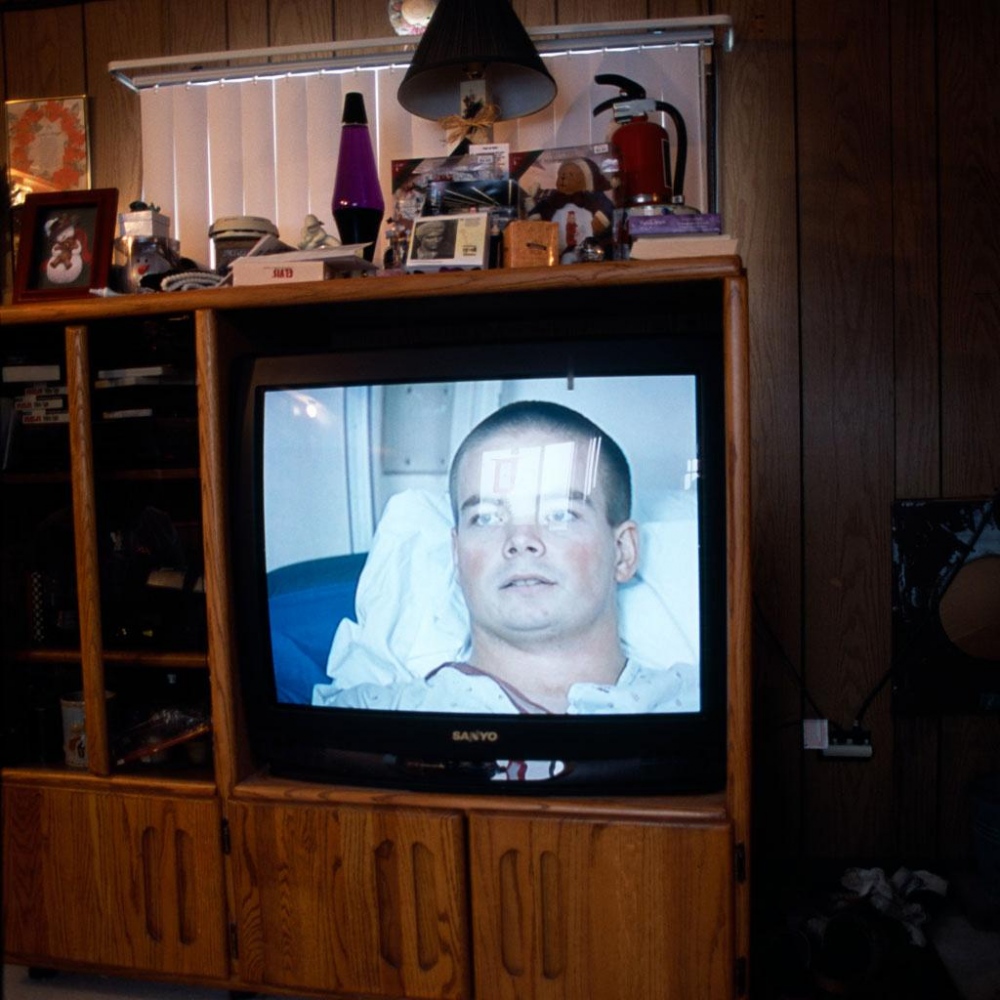
"Purple Hearts" documents
the postwar experiences of wounded soldiers through 15 photographs and text in
the soldiers' own words. It's the first exhibit of its kind in the United
States, and the National Vietnam Veterans Art Museum is unveiling it today in
honor of Veterans Day.
Berman will be in town today for the
unveiling, as will at least one of the men she photographed.
More than 2,000 soldiers have been
killed in the two-year war. Beyond coverage of the occasional welcome-home
parade for the returning wounded, veterans who have returned from Iraq have
been virtually ignored.
Berman says she began the project
(20 of the photographs were published in a book released last year) to draw
attention to their plight.
Officially, there have approximately
14,500 soldiers injured in the war in Iraq. Berman says that number is suspect.
"That number is dodgy because
it only counts those soldiers listed as combat-wounded," she says. "There
are thousands more who were wounded in combat support, and that doesn't make
their injuries less severe."
Berman is an
award-winning photographer and no stranger to difficult assignments. She
covered the rape of Muslim women by Serbs during the Bosnian War for Time
magazine and everyday life under the Taliban in Afghanistan for Newsweek. Both
assignments earned her Picture of the Year awards. Still, she says nothing
could have prepared her for what she would face when photographing veterans of
the war in Iraq.
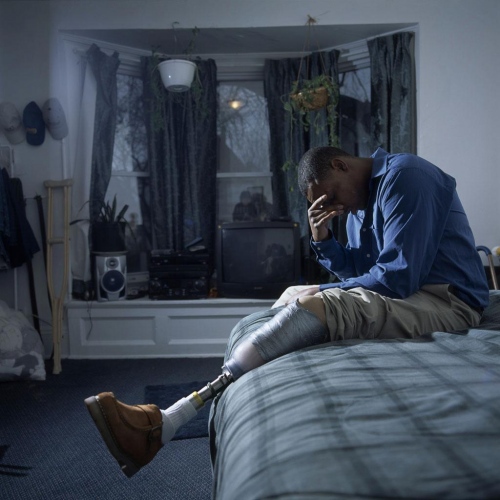
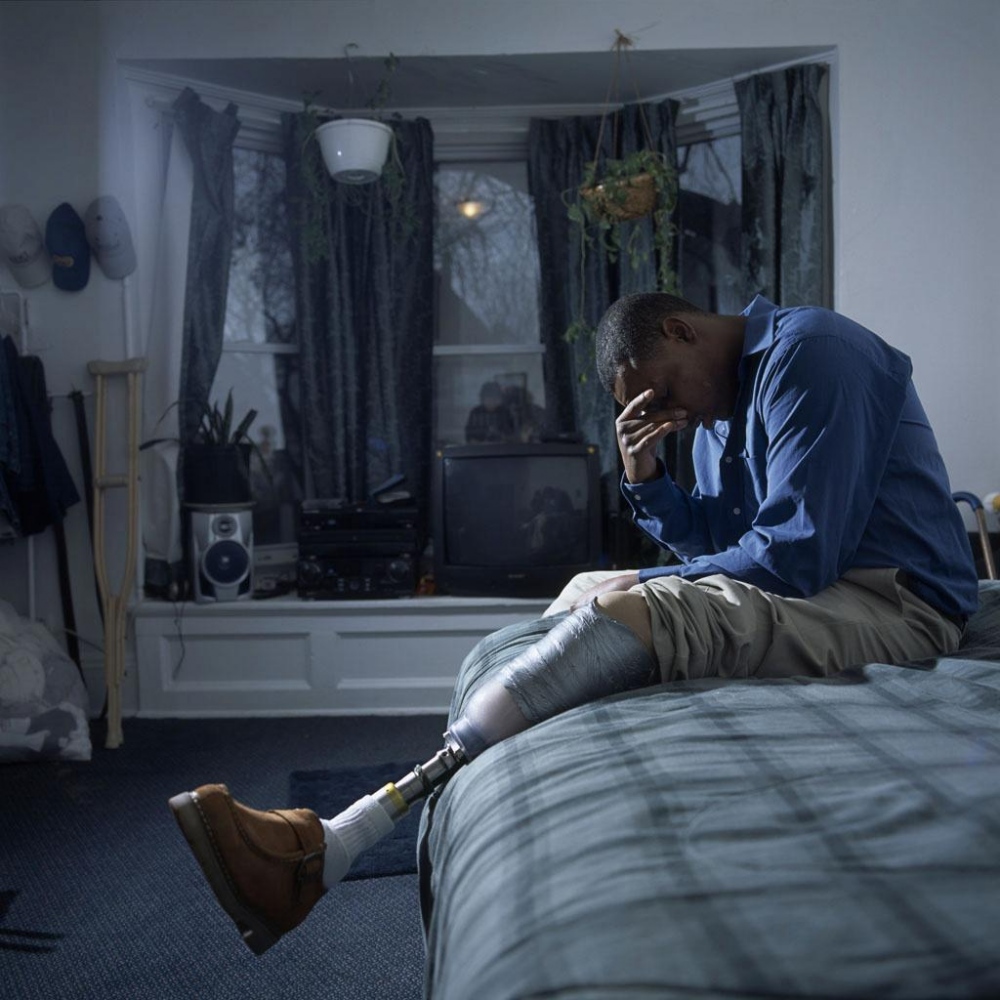
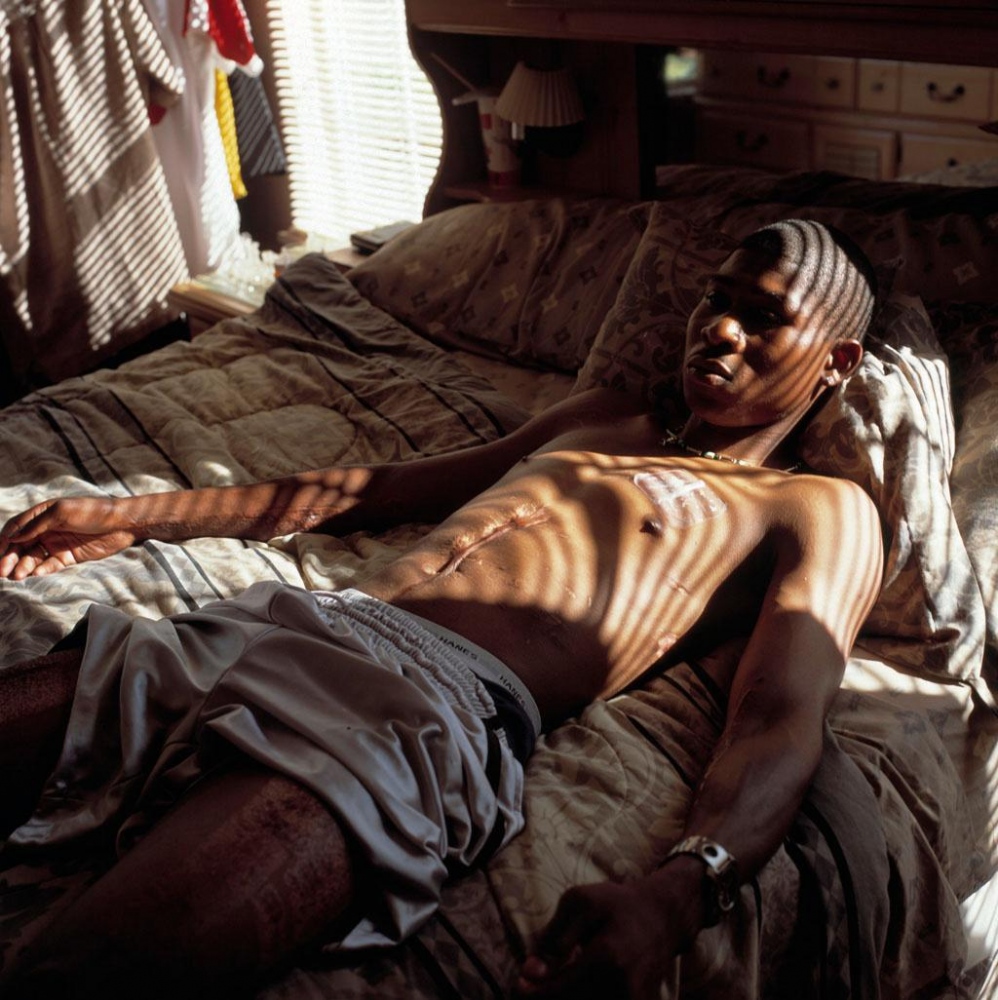
One photo seemingly captures Pfc.
Alan Jermaine Lewis --who grew up on Chicago's South Side and now resides in
Milwaukee -- in a moment of despair. The 24-year-old was a machine-gunner with
the Army's 3rd Infantry Division who was wounded on July 16, 2003, when the
Humvee he was driving hit a land mine, blowing off both of his legs, burning
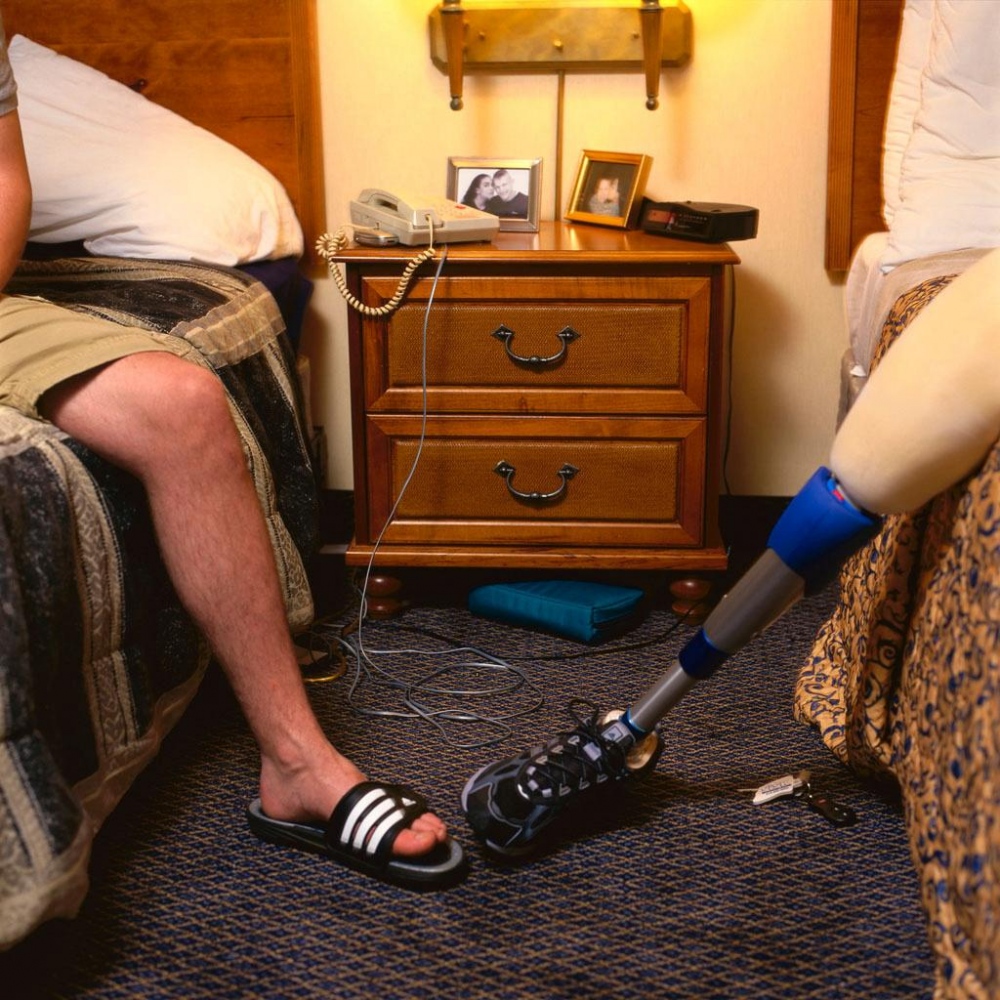
his face and breaking his arm in six places. His two prosthetic legs are
secured to what's left of both his thighs by duct tape.
"Amputees shouldn't be forced
to use duct tape to secure their prosthetics," Berman says. "Every
guy I've talked to has had problems somewhere along the way with their benefits
or their care. What does it say about us as a nation if we can't care for the
people we send to war when they come home?"
The exhibit has found support with
groups who both support and protest the war. Berman says the project is
apolitical and designed to merely remind us of the sacrifice these soldiers
made and their need for our continued support.
"When I see those 'Support Our
Troops' curly-q's plastered on an SUV, I have to wonder if that person knows if
they voted for someone who cut veterans benefits."
Berman has heard from several people
who were moved by the images in her book, asking what they could do to help.
One woman in Tennessee has taken it upon herself to send money and presents to
the soldiers. A veterans organization is building a home for a blind soldier
after reading in Berman's book that he currently is living in a trailer alone.
"Supporting our troops is so
much more than just giving these guys a welcome-home parade," Berman says.
"When the parade ends, these guys often find themselves alone. More than
anything, they just need someone there that they can talk to."
"Purple Hearts" runs through
April 2006 at the National Vietnam Veterans Art Museum, 1801 S. Indiana. Hours
are Tuesdays-Fridays 11 a.m. to 6 p.m. and Saturdays 10 a.m. to 5 p.m.
Admission, $10 adults, $7 students and seniors. Call (312) 326-0270;
www.nvvam.org.