![]()
A glimpse at the price of liberty
By J. Patrick Coolican
Special to The Seattle Times
"Purple Hearts: Back from
Iraq"
Photos and interviews by Nina Berman
Trolley, 96 pp., $24.95
For all the loud noise about how
proud we are of our servicemen and women and how thankful we are for their
sacrifice, there are scant images of those who've sacrificed the most, with
their lives or limbs or sanity.
Some Iraq-war advocates have
successfully bullied the news media into withholding images of the dead and injured,
arguing that showing these photos is akin to an anti-war statement. But isn't
concealing images of the carnage also an act of propaganda?
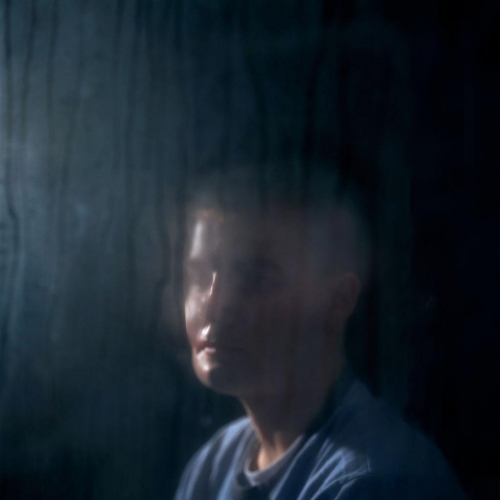
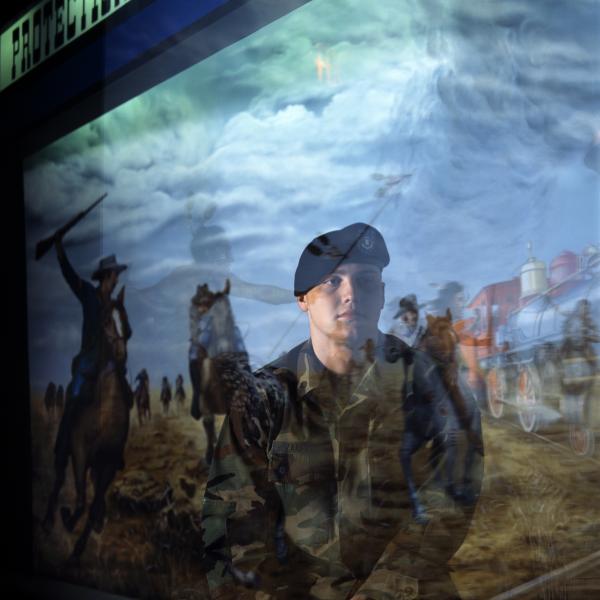
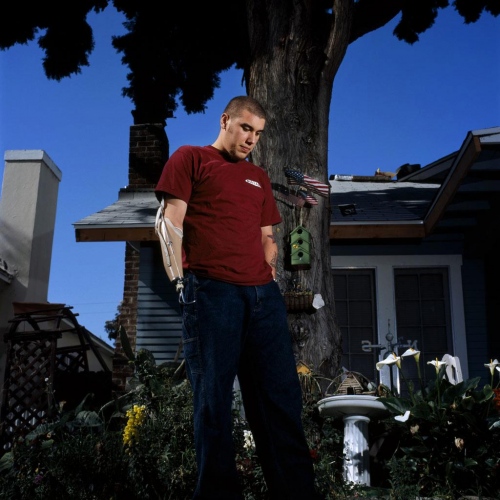
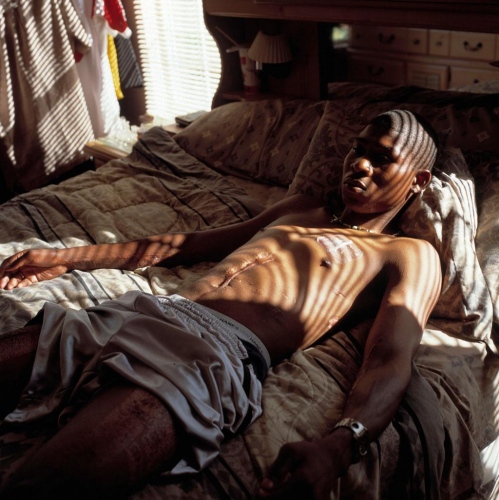
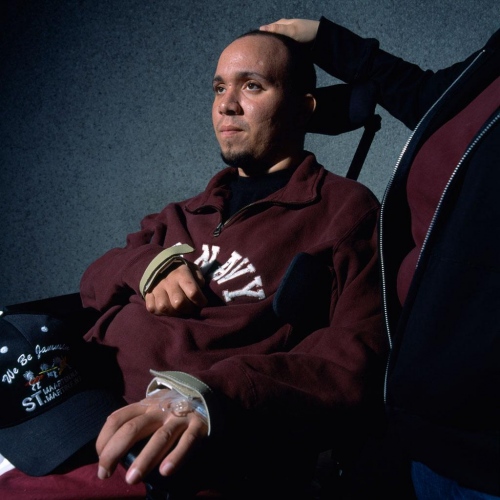
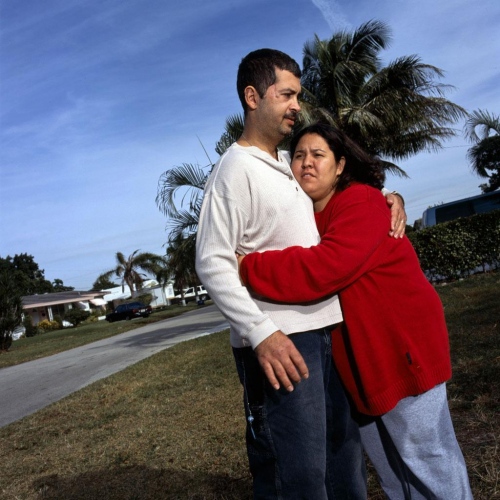
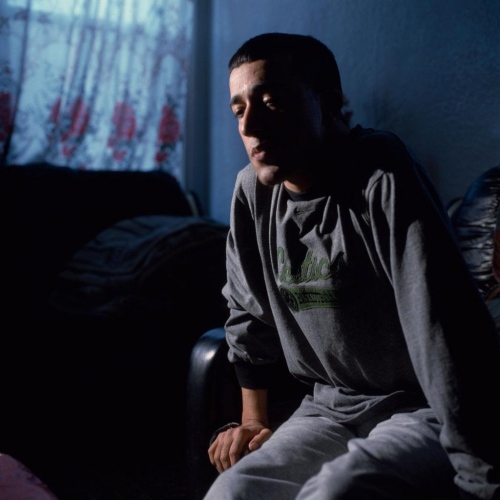
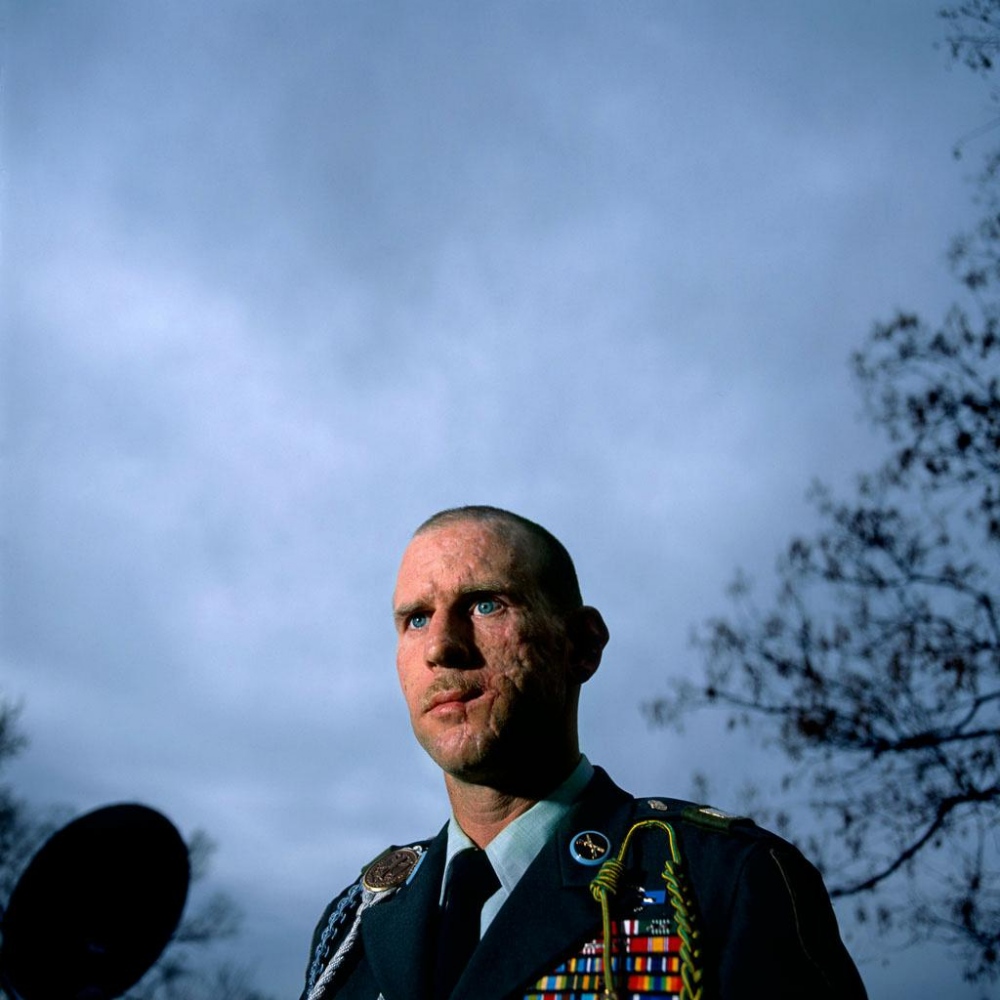
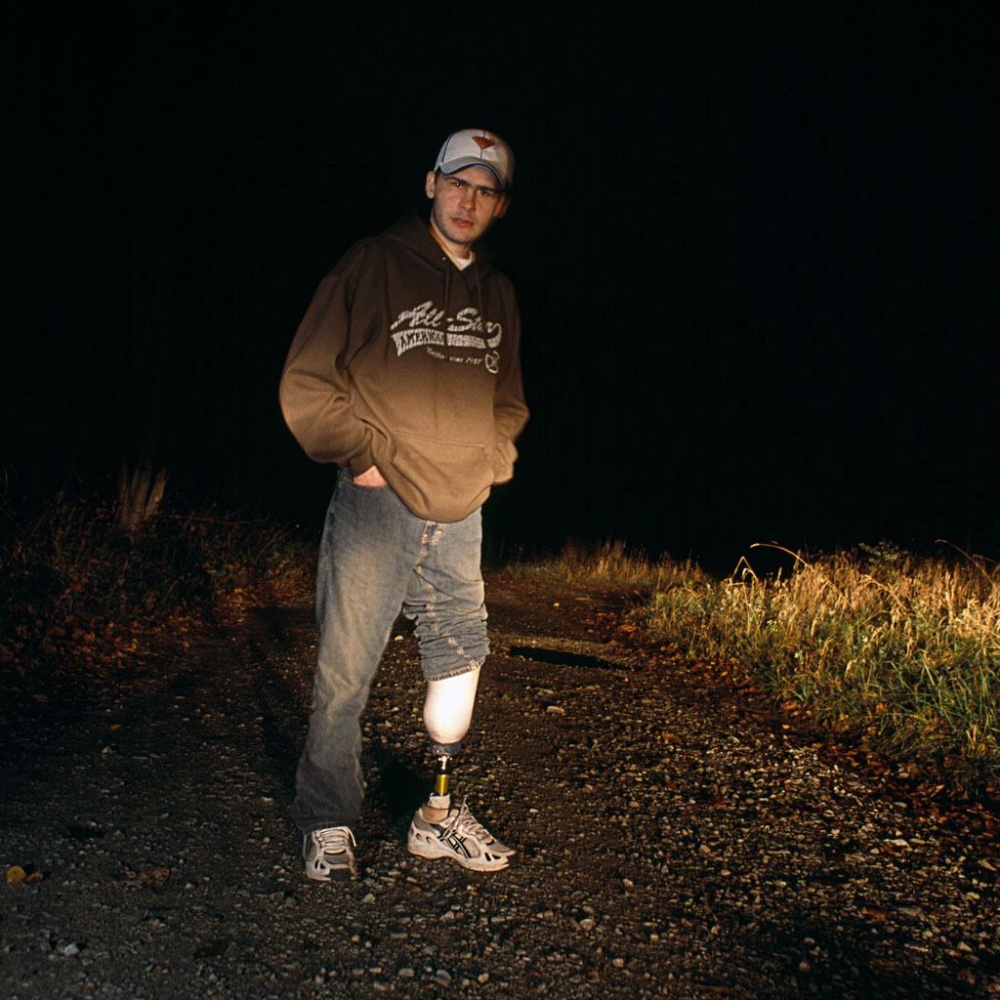
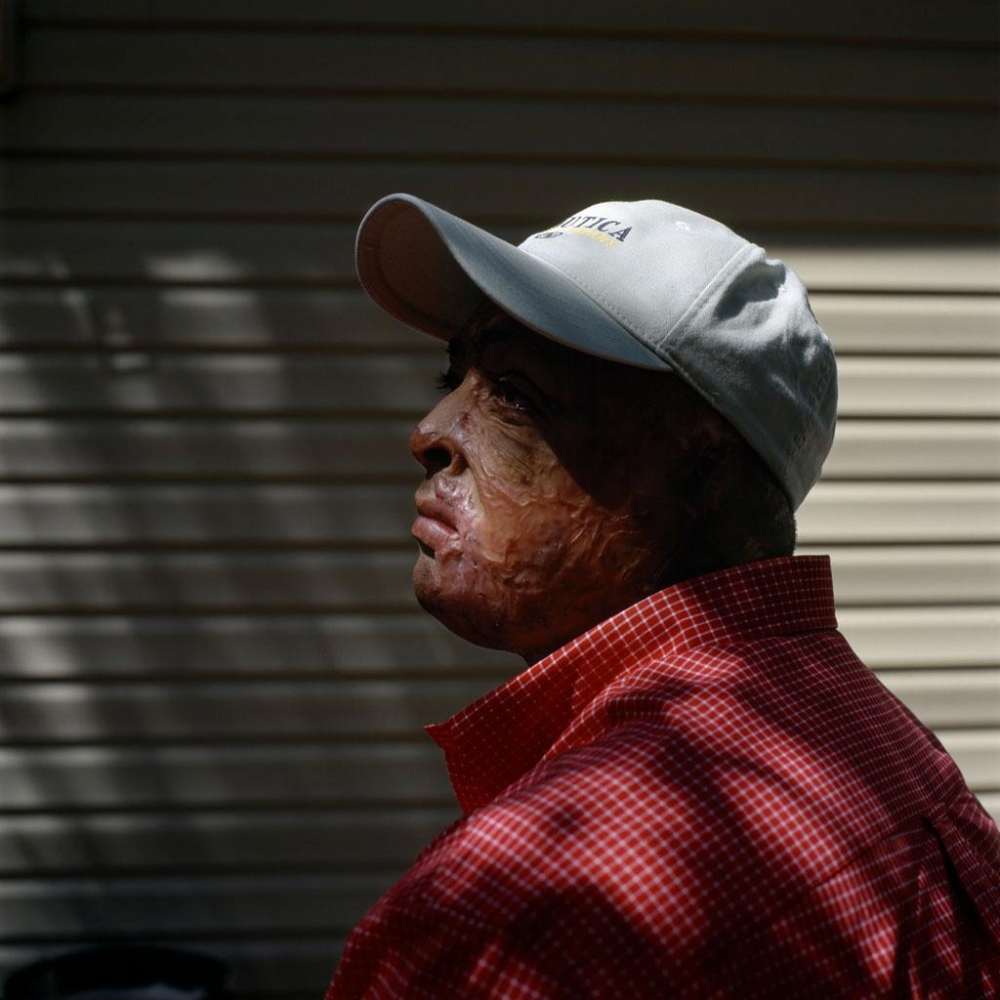
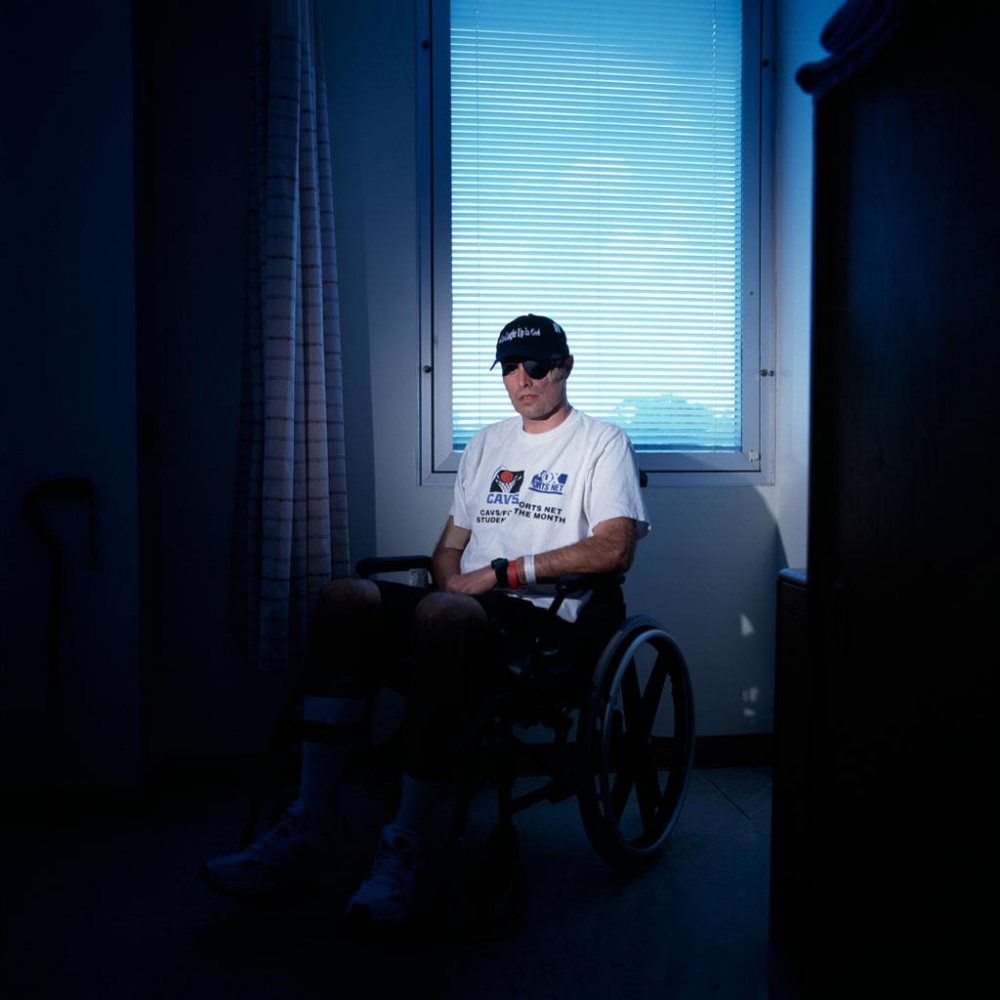
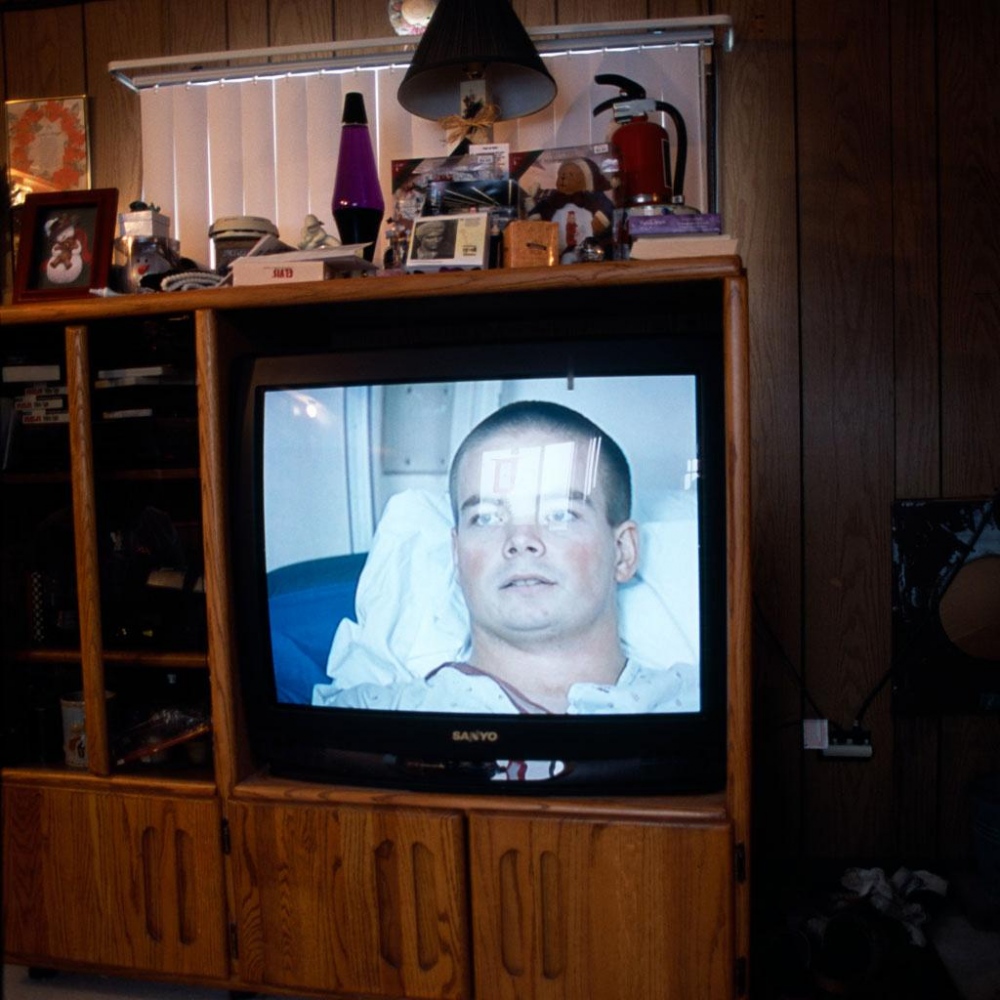
Thankfully, in "Purple Hearts:
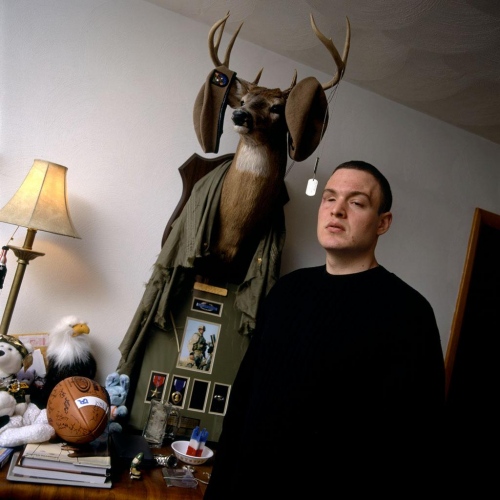
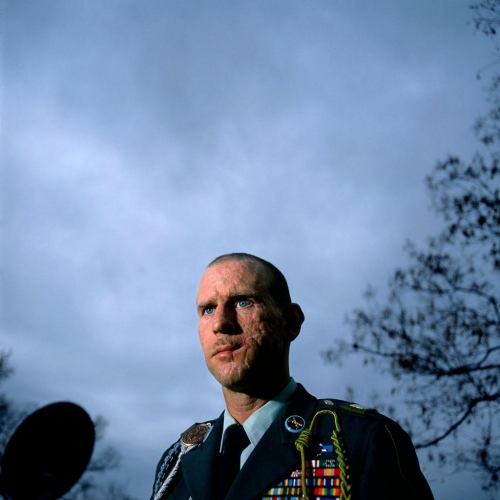
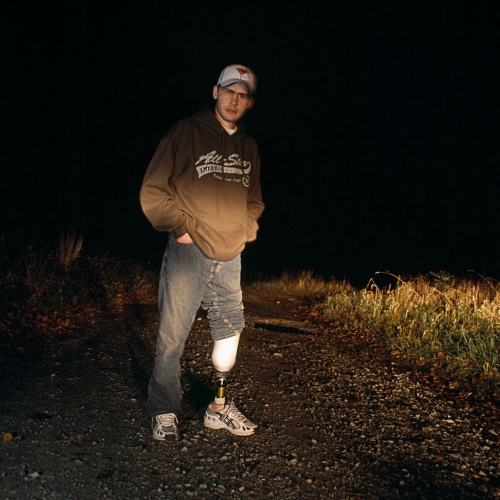
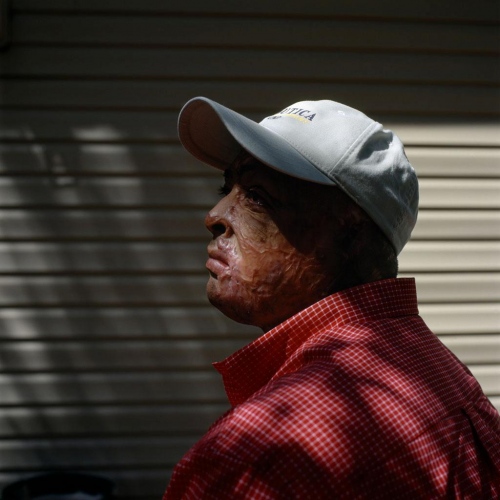
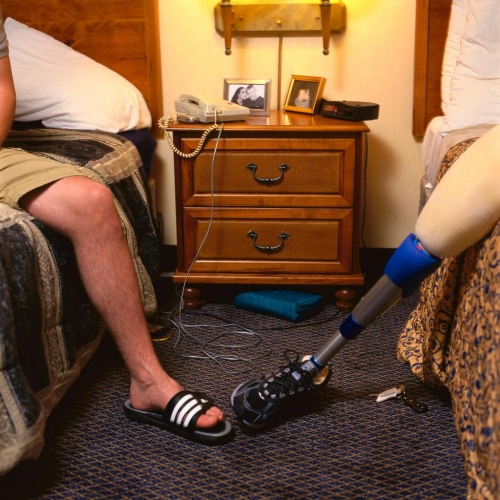
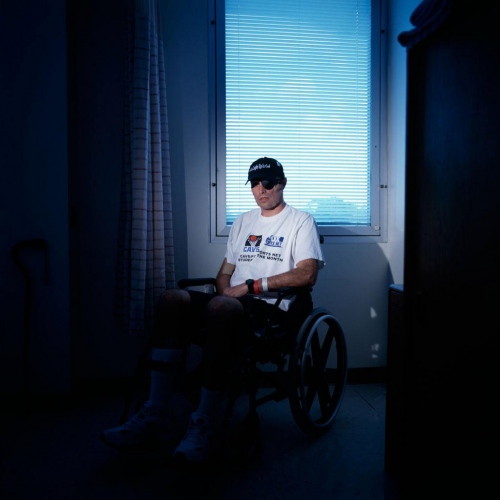
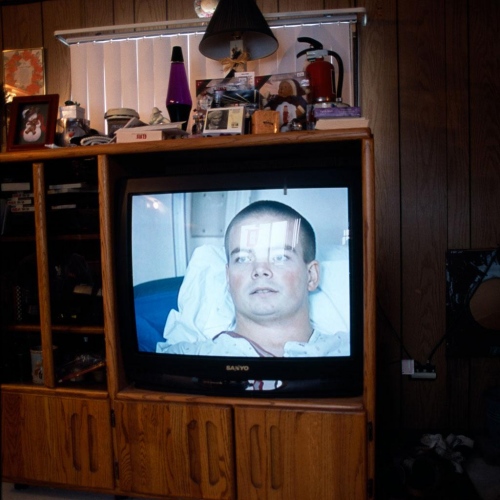
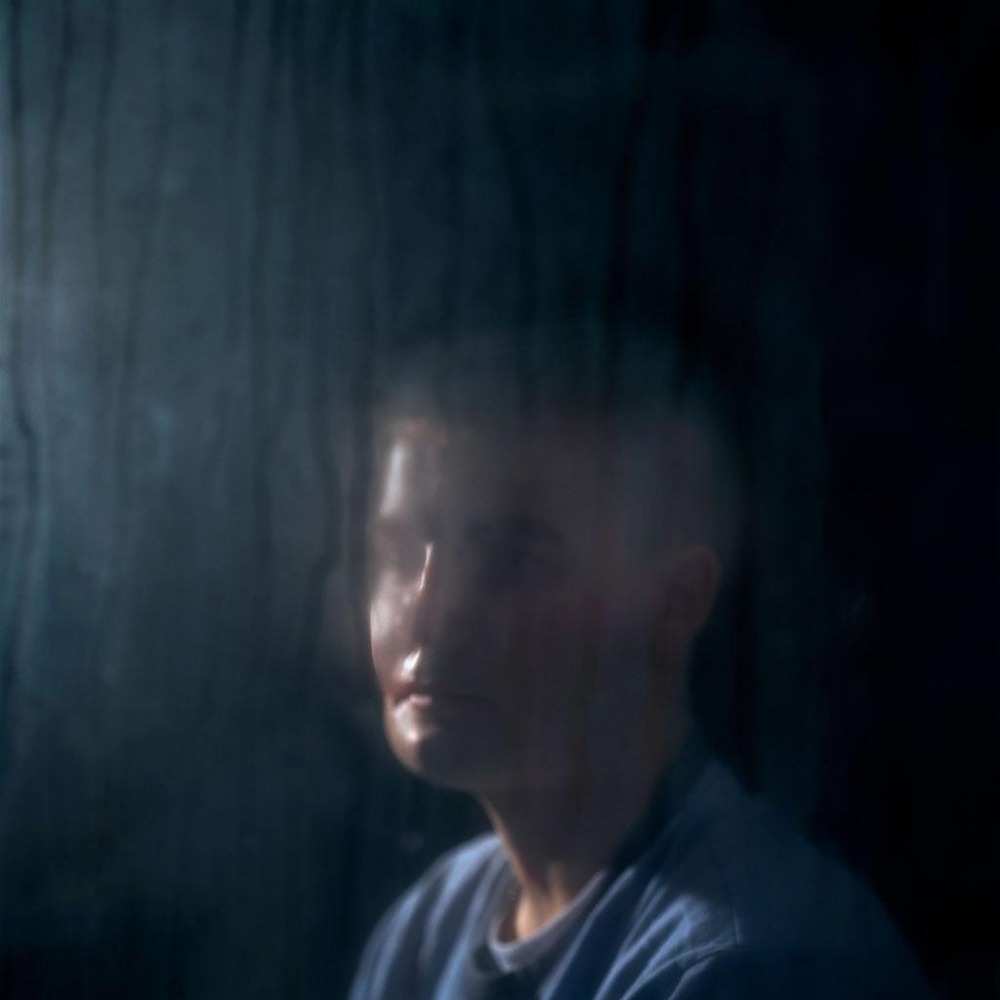
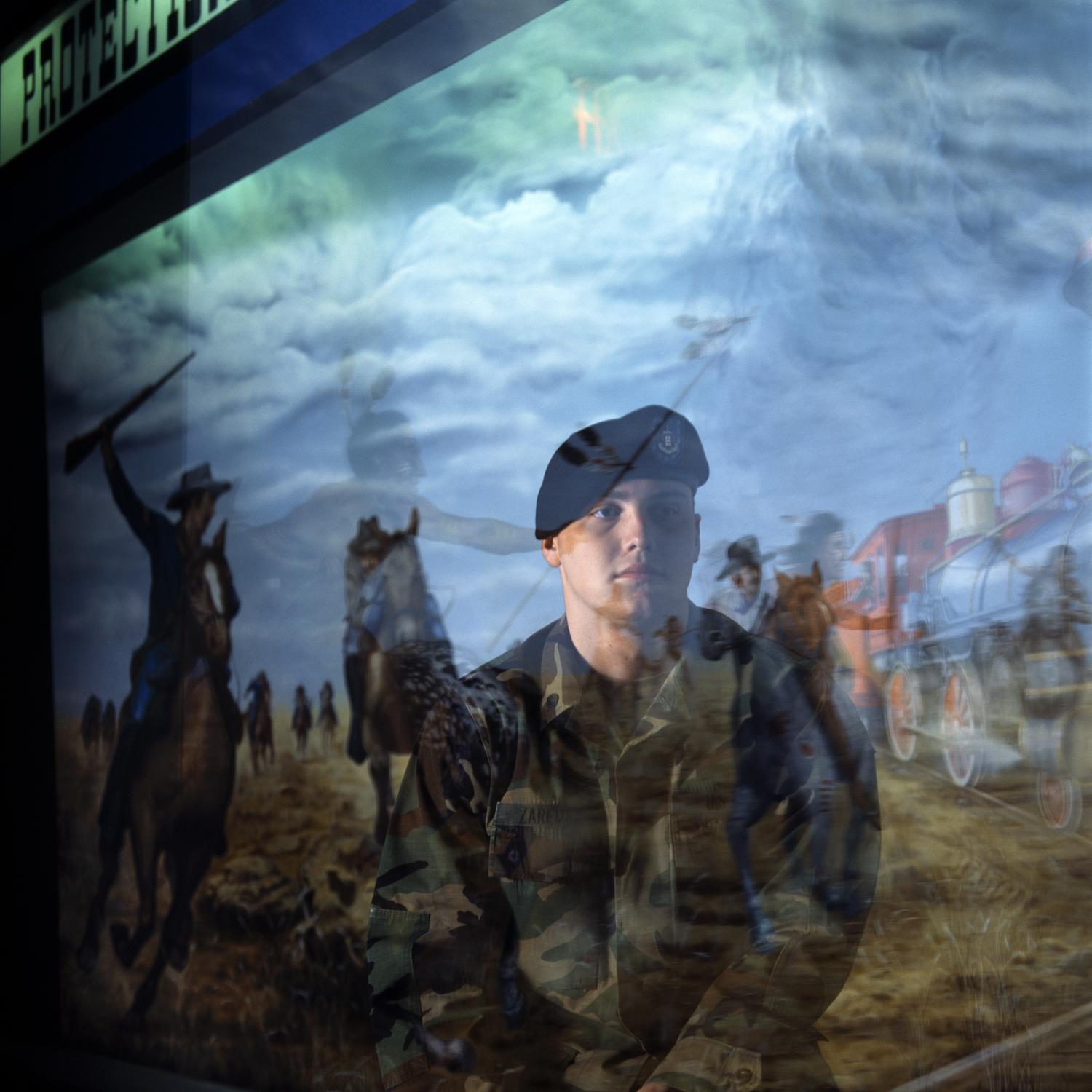
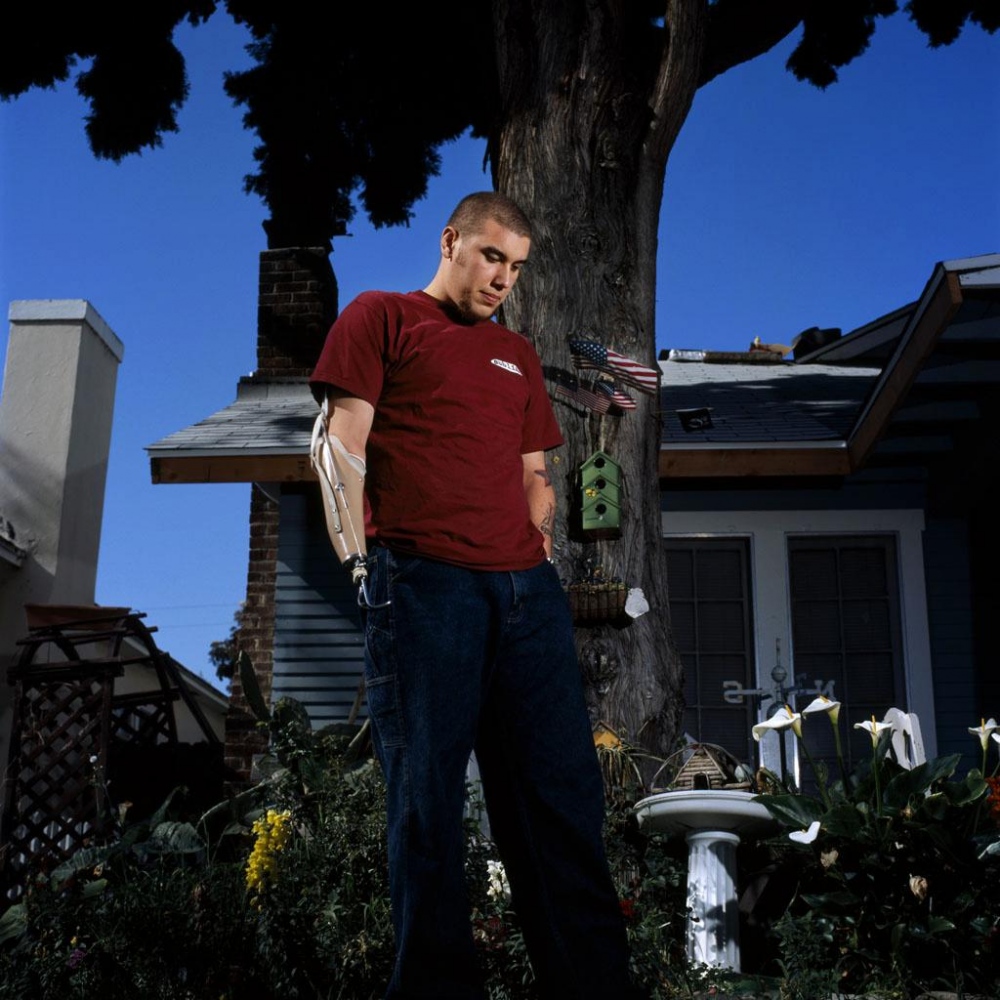
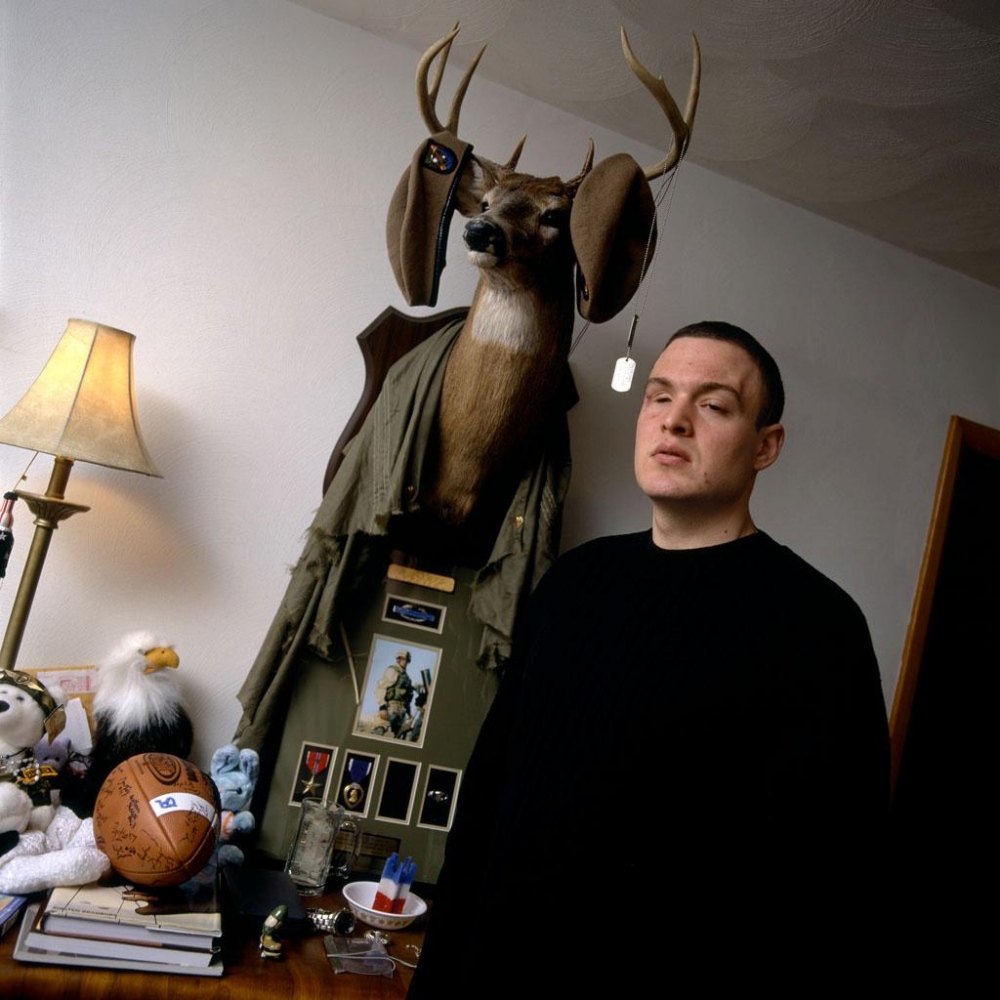
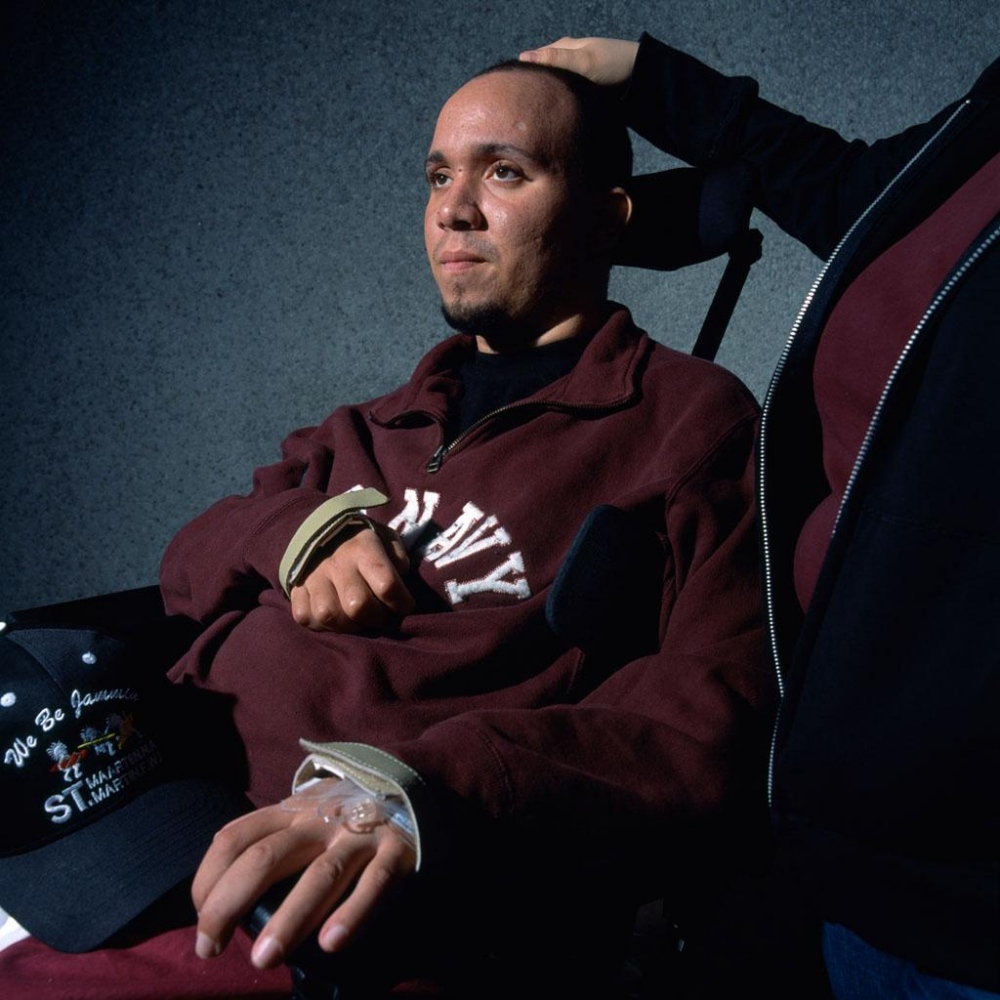
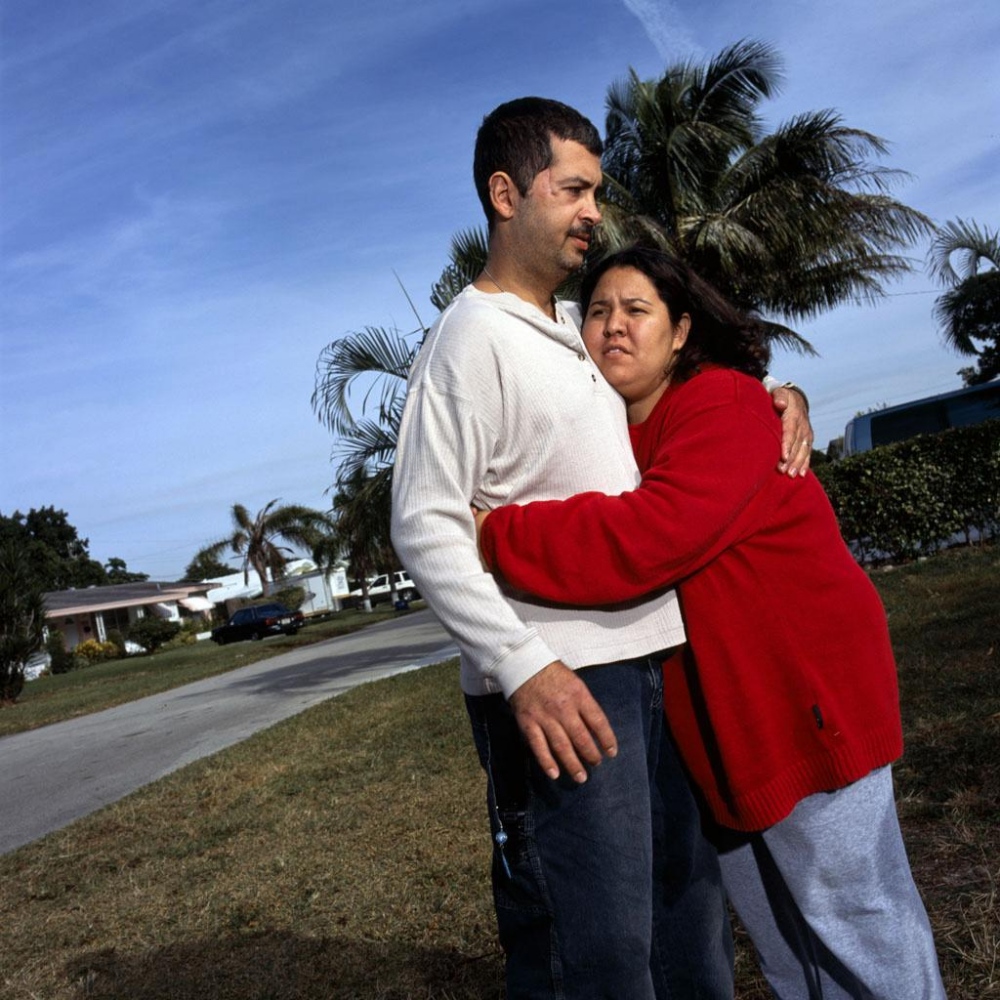
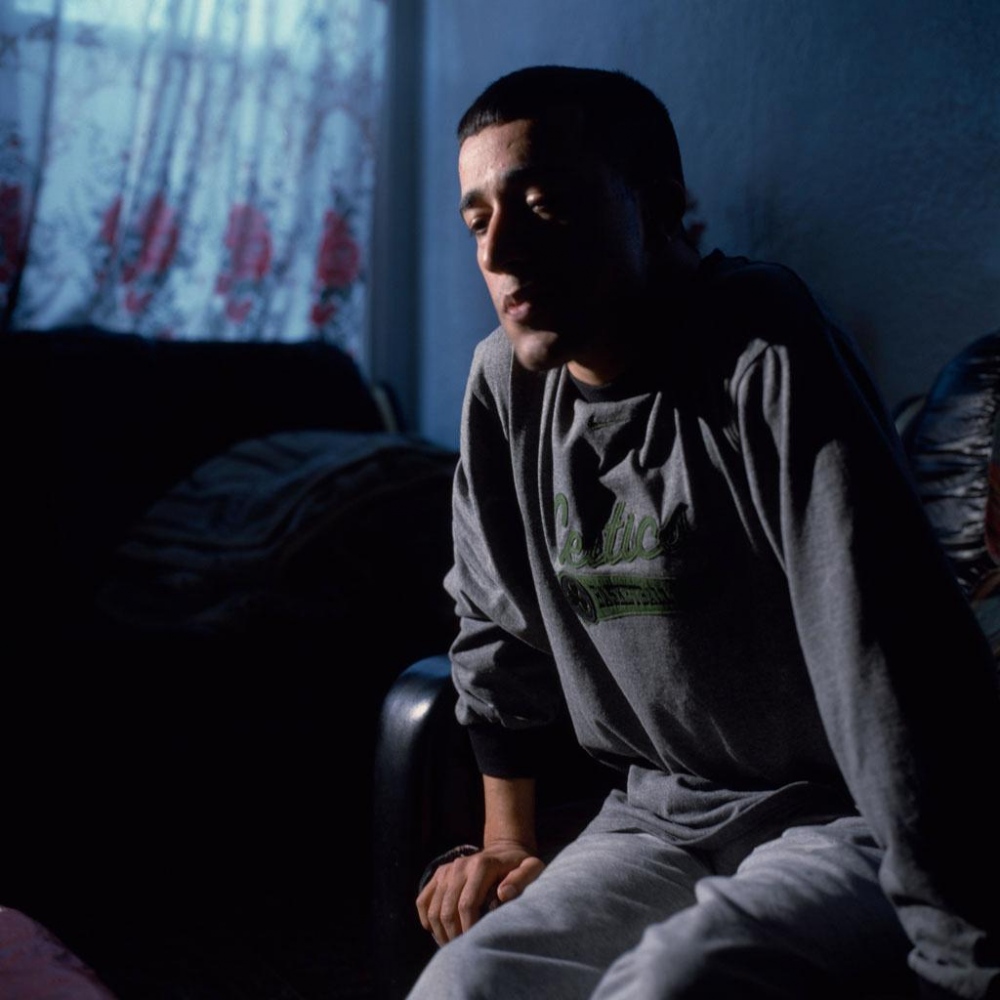
Back from Iraq," Nina Berman has given us powerful photographs and the
unvarnished words of the injured to help us understand who they are and what
they are now undergoing. The book resembles something you'd put on your coffee
table, though you probably don't want it on your coffee table. You should,
however, show it to anyone who will look, especially children of an appropriate
age.
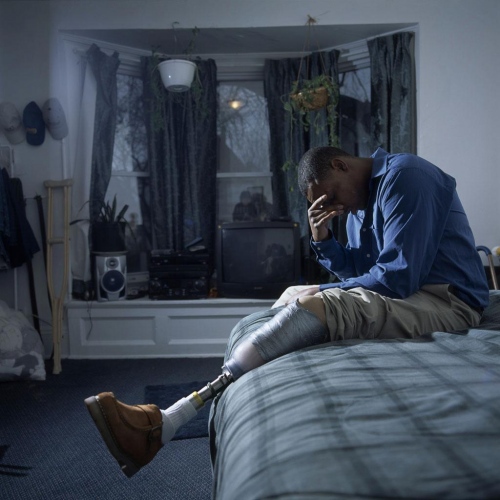
We should all take a good look at
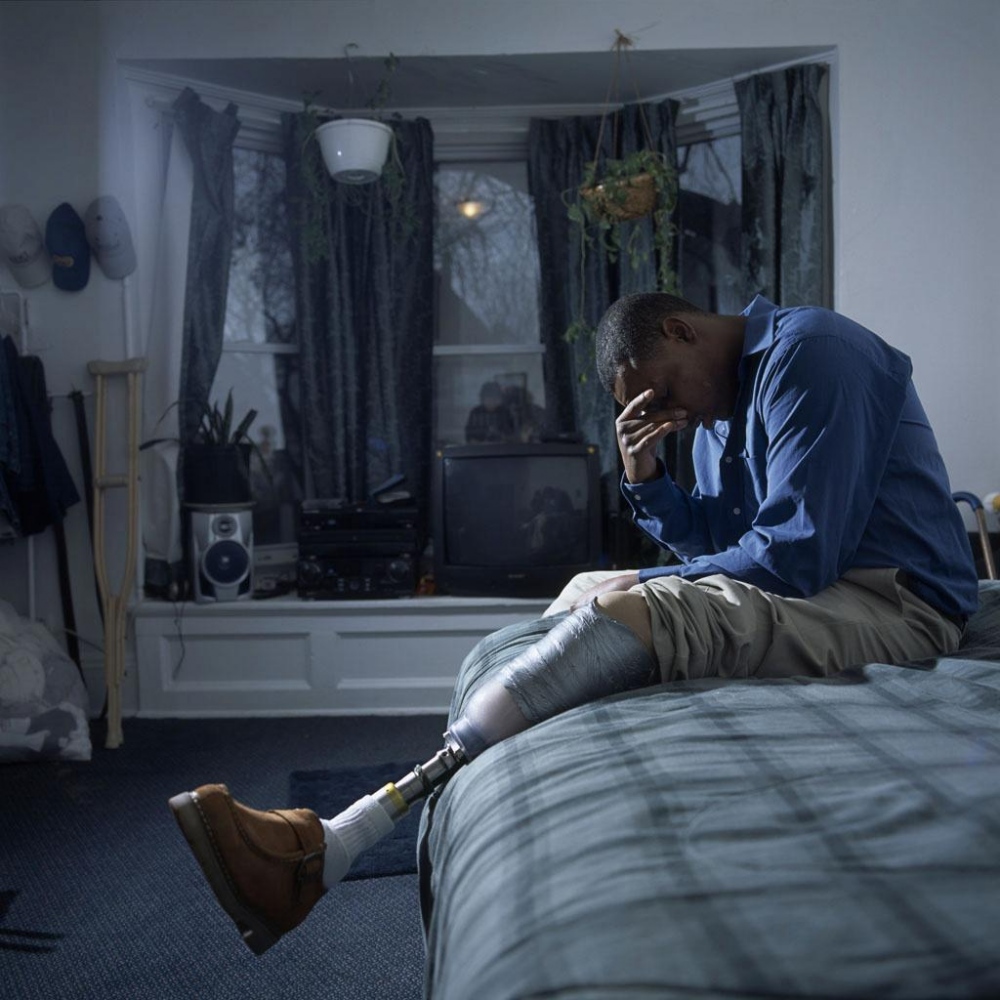
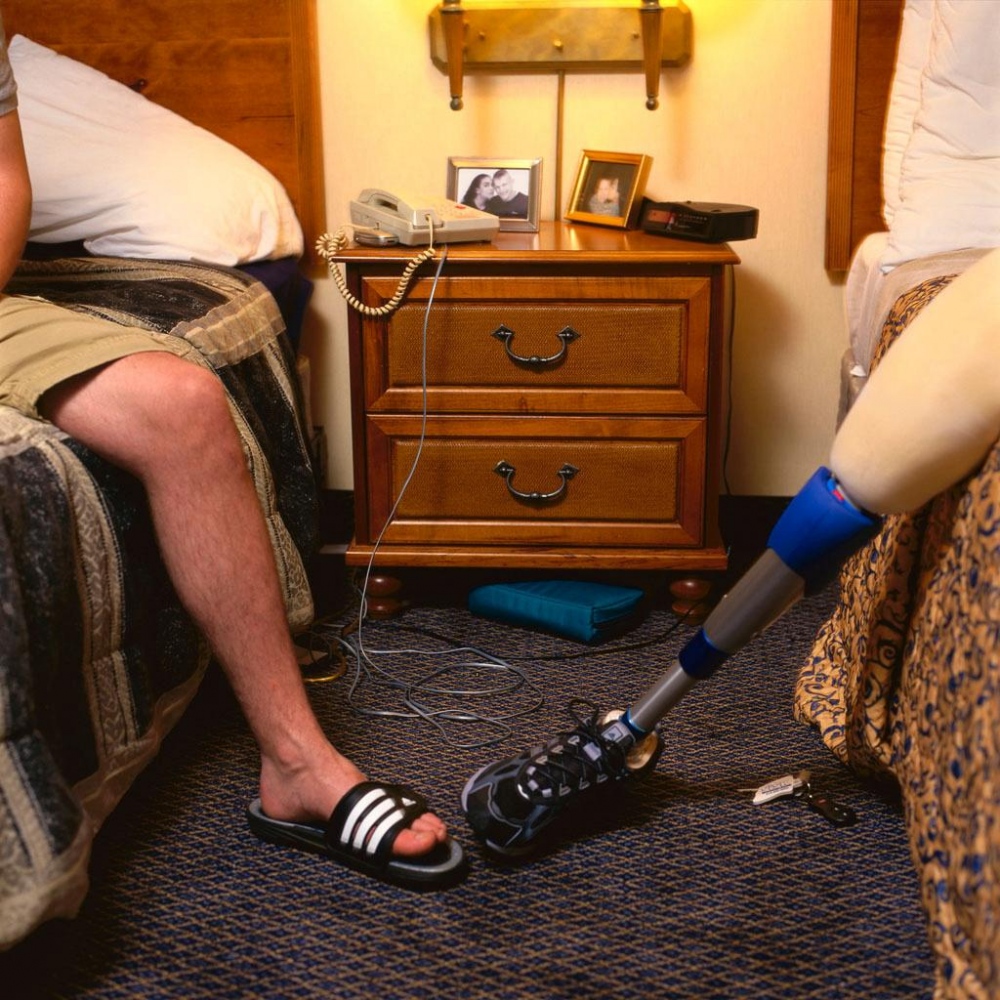
the skin grafts, prosthetic limbs, scar tissue, unusable eyes. For, however
painful it may be to look at these images, surely it's nothing compared with
the chronic pain the veterans will feel for the rest of their lives. Due to
improved battlefield medical care, the wounded-to-killed ratio is much higher
in this war than in previous ones, meaning that for every dead soldier you read
or hear about, there are at least five or so wounded, not counting the
psychologically damaged.
The photos offer a partial portrait
of today's U.S. armed forces. All but one are men. They are nearly all young
and enlisted. For the most part, they're proud of their mission but apolitical.
Some say they signed up because they had no other real options; some grew up in
violent and drug-riddled neighborhoods.
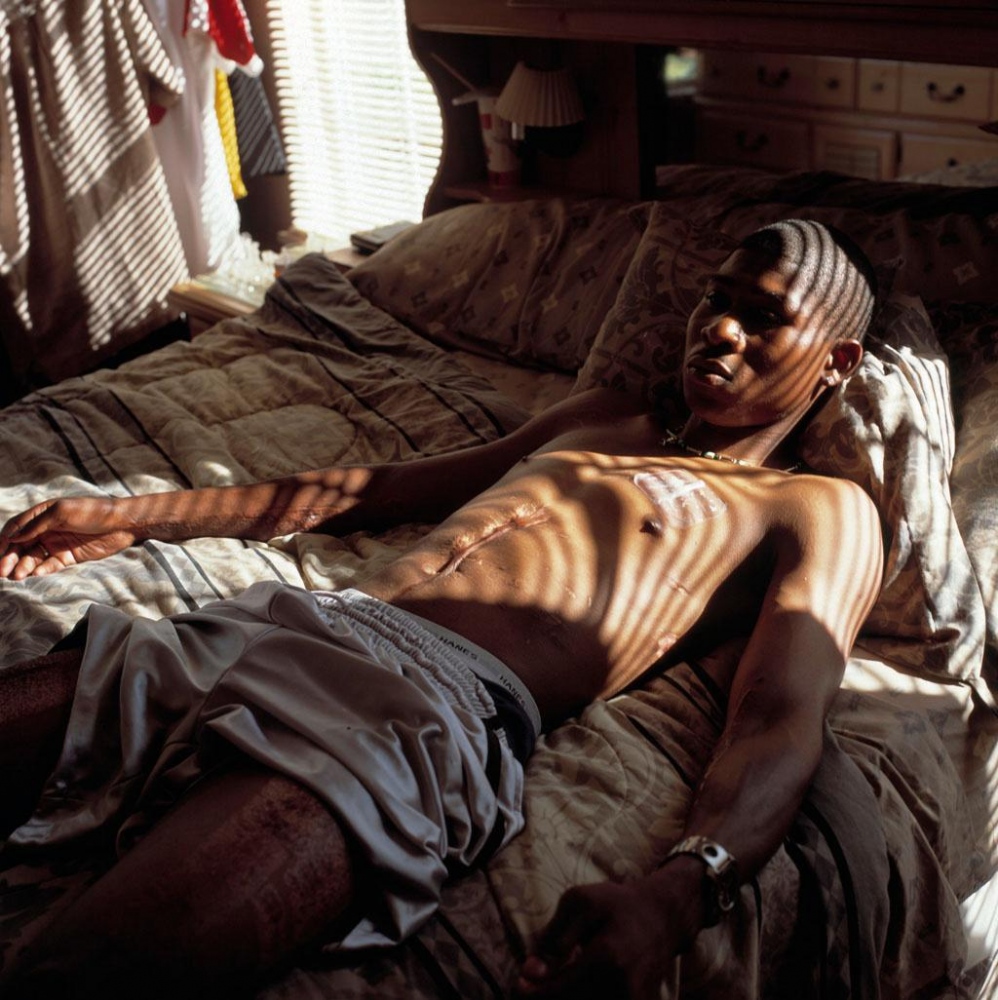
"I had a friend killed when I
was six years old. His name was Charles and he got killed. He was shot in the
head. I think it was a stray bullet. My oldest sister was killed by a stray
bullet. I was just a few months old. And my father was killed when I was
seven," says Pfc. Alan Jermaine Lewis, who lost both legs, broke his left
arm in six places and had his face burned when his vehicle hit a mine.
A few are angry at the military or
the government, though not as many as might be expected given the collapse of
the main rationale for the war and the apparent shoddy planning that went into
it. Many of the injured say they want to return to the military, though their
injuries will make that impossible. They miss their buddies, the identities
they forged, the adrenaline. Many say they're bored in civilian life.
"I wouldn't have given it up
for the world. I just fell in love with it. I think about it everyday. Nothing
excites me anymore. I almost feel like I was cheated. I've kind of come to the
conclusion that nothing will compare. It all seems pretty mediocre," says
Pfc. Tristan Wyatt, who lost a leg in a firefight in Fallujah.
Hooding our eyes from looking at the
injured won't make them go away. But looking closely at them may help us be
absolutely sure we know what we're doing next time.
J. Patrick Coolican, a former
Seattle Times reporter, is studying post-traumatic stress disorder in Iraq veterans
as part of a Kiplinger fellowship at Ohio State University.